AI-Enabled Knowledge Ecosystems for Sustainable Research and Innovation: Invited Talk at ICONSTH-2026
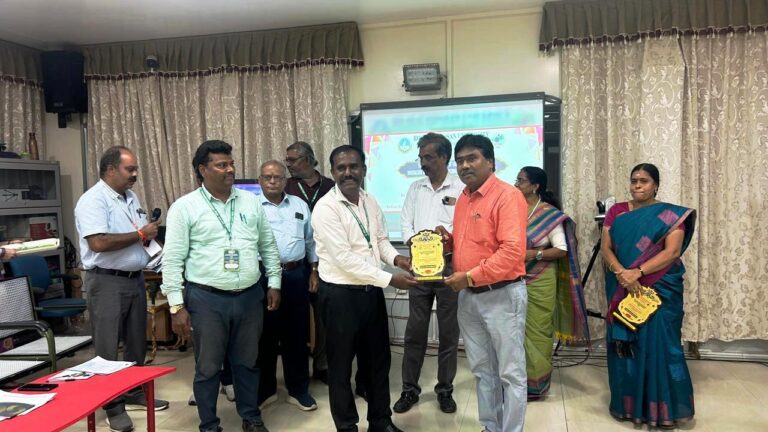
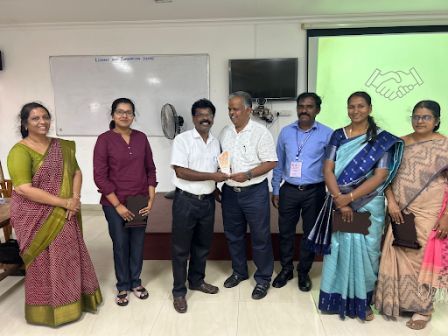
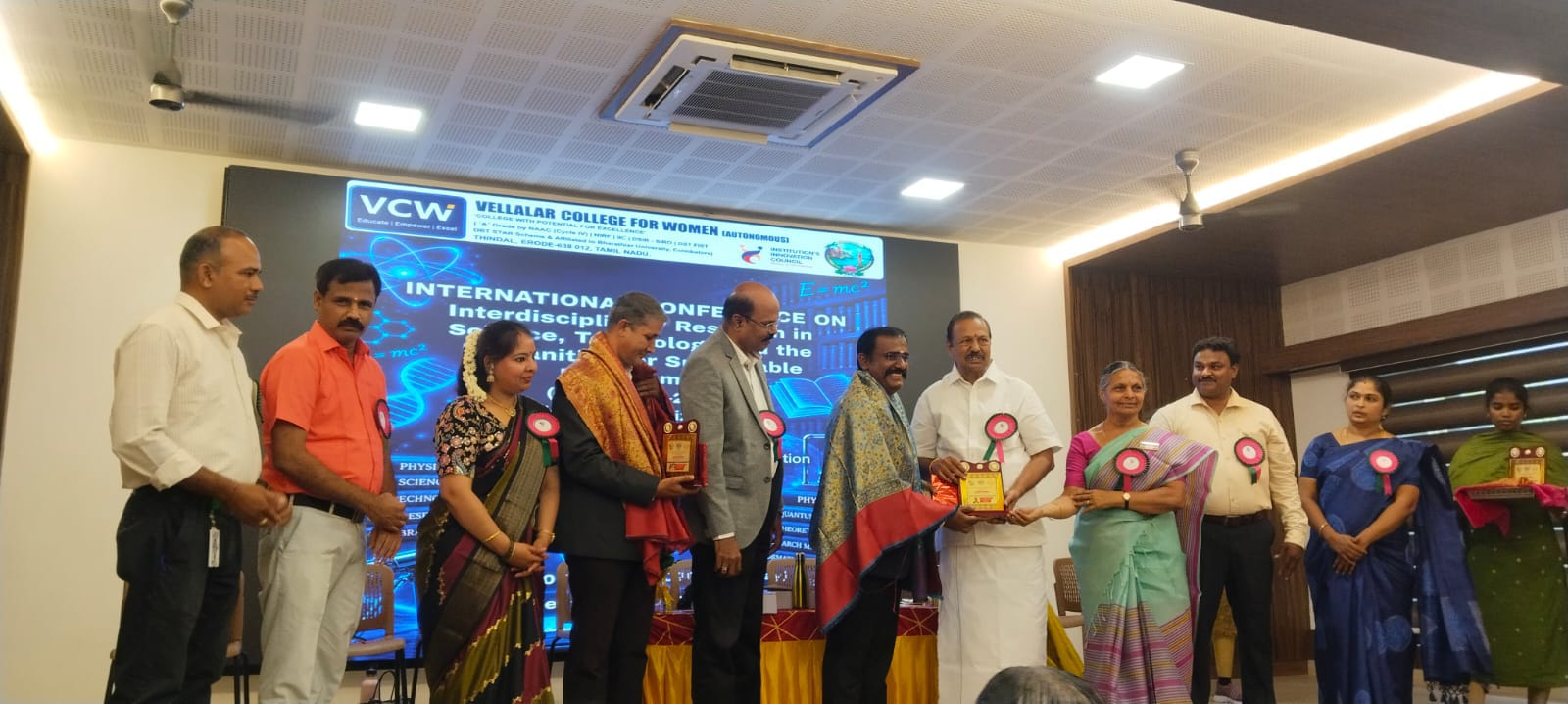
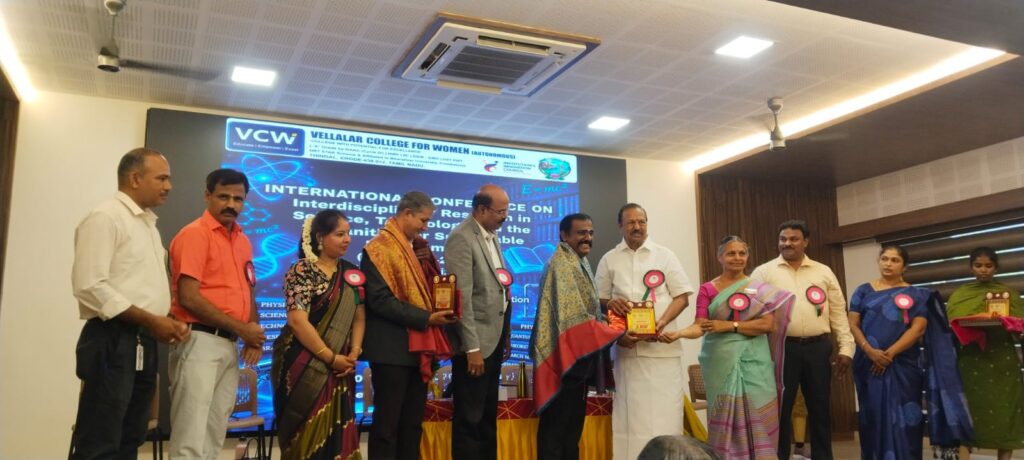
I was pleased to serve as an Invited Resource Person at ICONSTH-2026 – International Conference on Interdisciplinary Research in Science, Technology and the Humanities for Sustainable Development, held on 20 August 2026 at Vellalar College for Women (Autonomous), Erode.
The conference was jointly organised by the Department of Library and Information Science and the Department of Physics, bringing together academicians, researchers, professionals and students from diverse disciplines to explore interdisciplinary approaches to sustainable development.
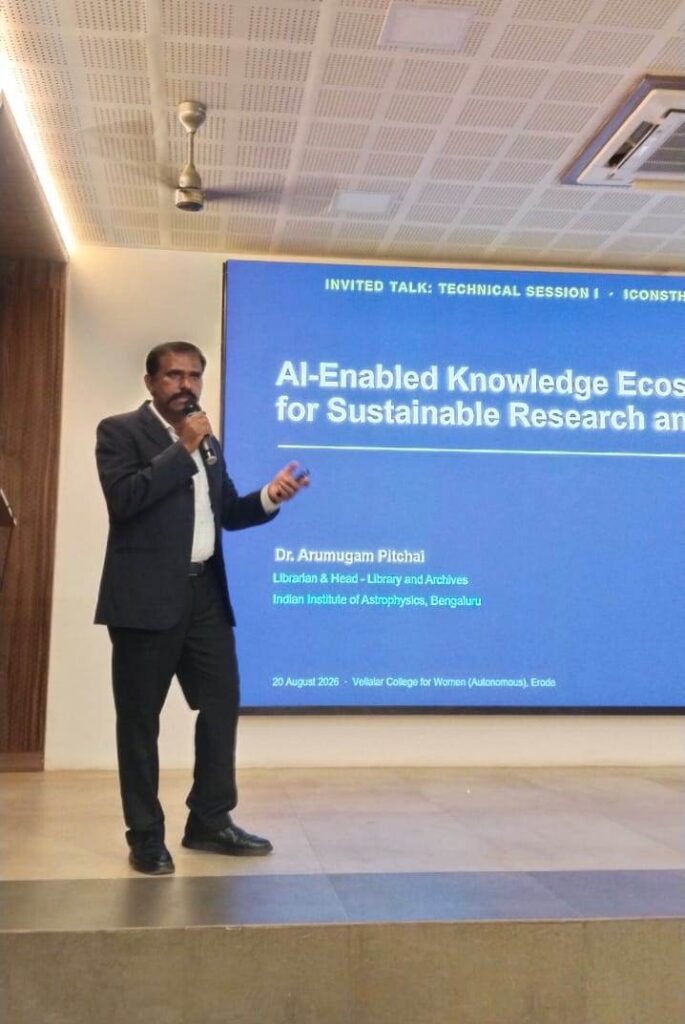
Invited Presentation
As part of the conference, I delivered an invited presentation titled:
“AI-Enabled Knowledge Ecosystems for Sustainable Research and Innovation”
The presentation focused on the emerging role of Artificial Intelligence in research, libraries, knowledge management and scholarly communication. It explored how AI-enabled technologies can support the development of connected and collaborative knowledge ecosystems for research and innovation.
I discussed the ways in which AI can contribute across different stages of the research lifecycle, including information discovery, literature search and analysis, knowledge organisation, research support, scholarly communication and dissemination.
The presentation also highlighted that the effective integration of AI into research and library services requires a balanced approach that brings together technology, human expertise, quality information resources, research infrastructure and responsible practices.
AI and the Evolving Role of Libraries
One of the key points discussed was the changing role of libraries in the AI-driven research environment. Libraries are increasingly moving beyond their traditional role of providing access to information and are becoming active partners in the research and knowledge ecosystem.
AI offers opportunities to enhance information discovery, research assistance, knowledge organisation, digital repositories, research data services and scholarly communication. At the same time, issues such as research integrity, responsible AI use, information literacy, data governance, copyright and preservation need appropriate attention.
The development of sustainable AI-enabled knowledge ecosystems therefore requires collaboration among libraries, researchers, academic institutions, technology professionals and knowledge managers.
Interdisciplinary Perspectives
The interdisciplinary nature of ICONSTH-2026 provided an excellent setting to discuss these issues. Interaction with participants from different academic and professional backgrounds offered valuable perspectives on the diverse ways in which AI and knowledge infrastructures can support research and innovation.
I am grateful to the organisers of ICONSTH-2026 for the invitation and for providing an opportunity to share my perspectives on this rapidly evolving area.
The conference was a valuable platform for reflecting on how AI, knowledge, research and interdisciplinary collaboration can come together to build more effective and sustainable knowledge ecosystems.