Building the IIA Archives Online Finding Aids Portal: From Research to Implementation
Some professional projects become more than assignments; they become journeys of learning, experimentation, collaboration and reflection. The development of the Indian Institute of Astrophysics (IIA) Archives Online Finding Aids Portal has been one such journey for me.
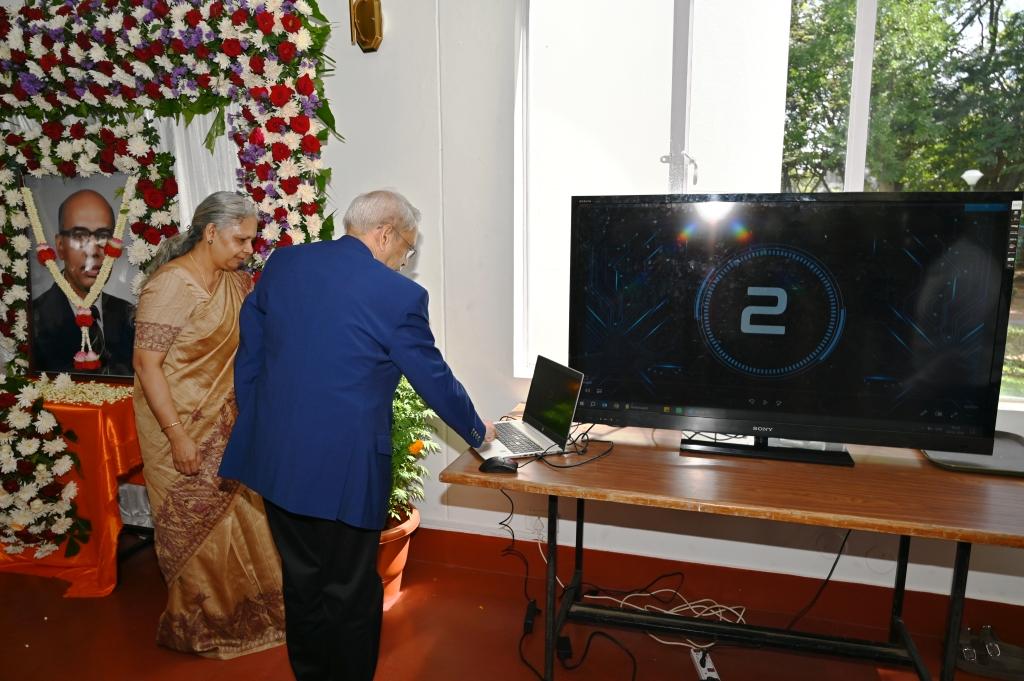
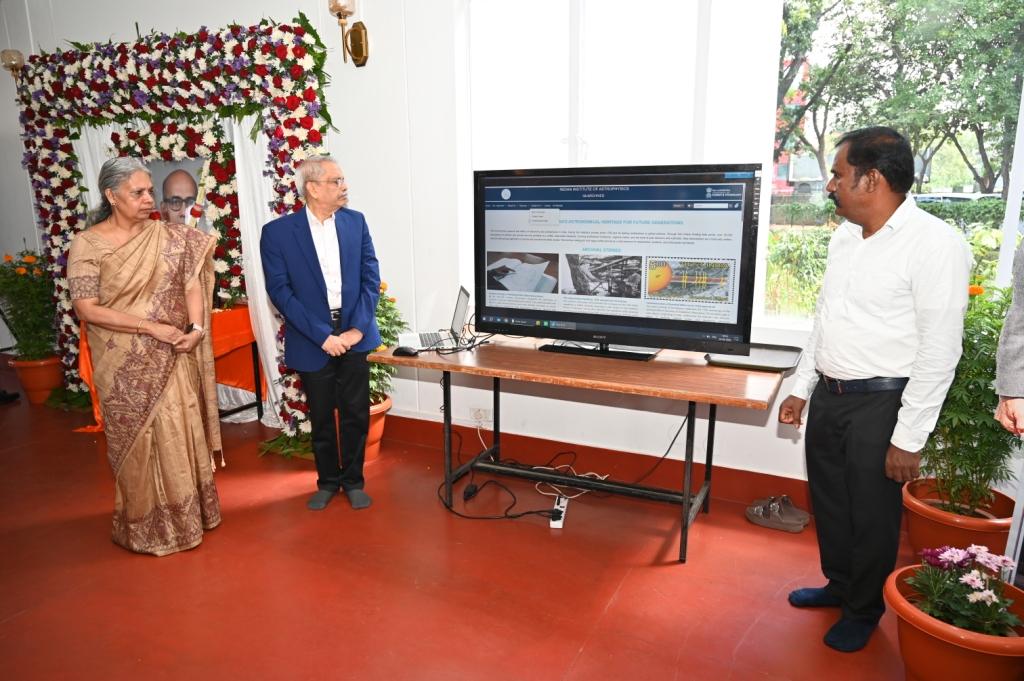
I am pleased to share that the portal was officially launched by Shri Kris Gopalakrishnan, Co-founder, Infosys, as part of the centenary celebrations of the birth of Dr. M. K. Vainu Bappu, one of the pioneering figures in Indian astronomy. This was a particularly special occasion for the IIA Archives initiative because its historical roots can be traced back to 1979, when Dr. M. K. Vainu Bappu visited the Madras Archives to collect historical records relating to the Madras Observatory. What began as an effort to identify and preserve records connected with the history of Indian astronomy has, decades later, evolved into a systematic archival initiative and now into a digitally accessible Online Finding Aids Portal.
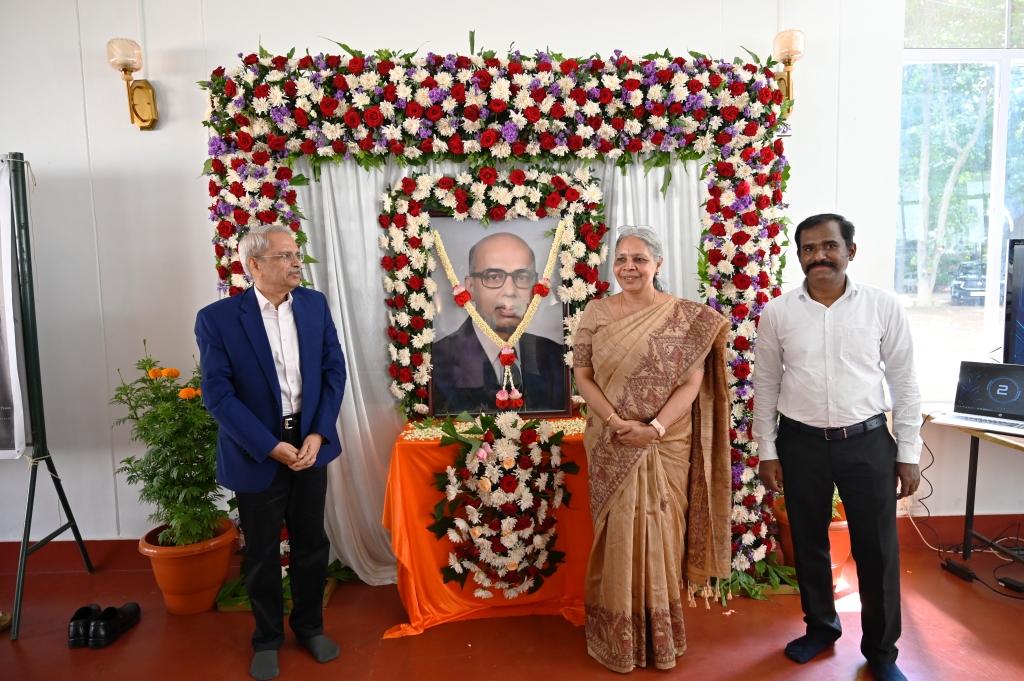
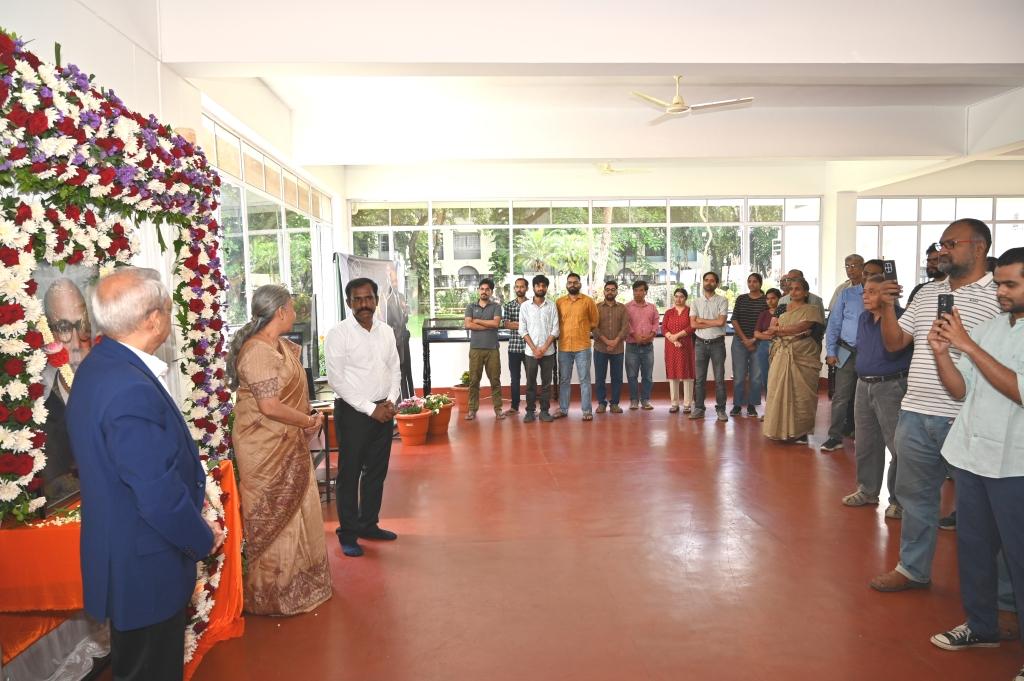
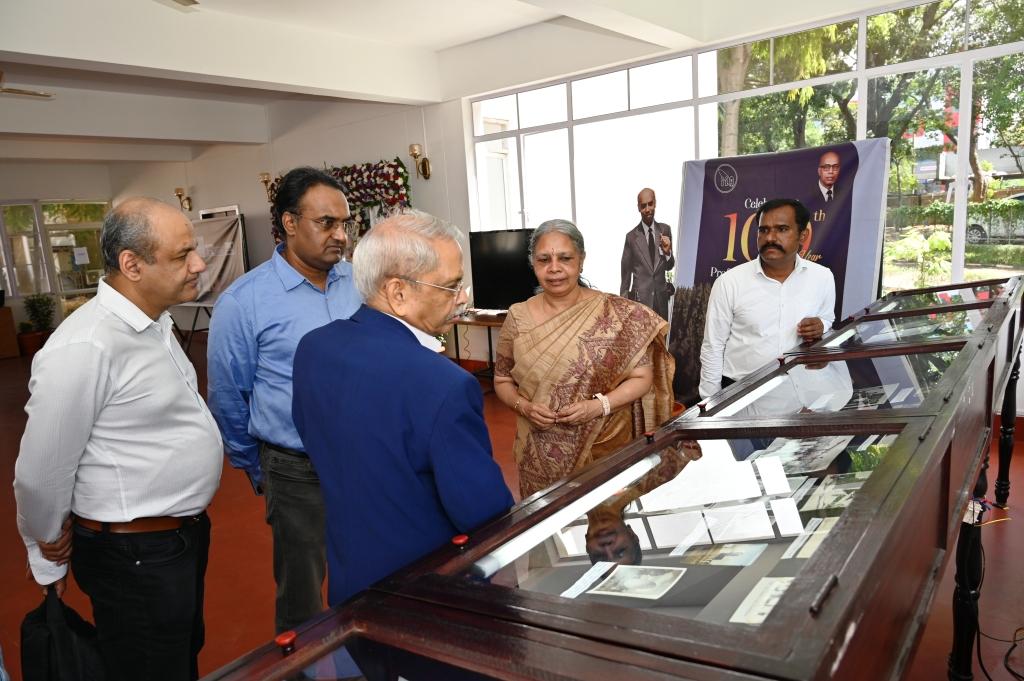
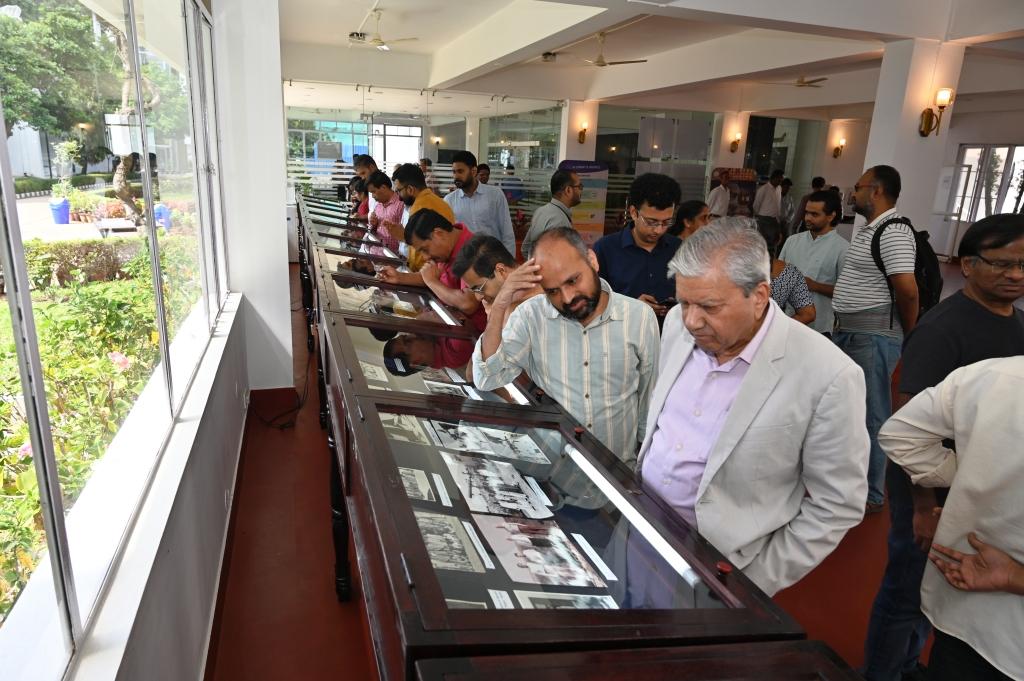
The occasion was made even more meaningful with the organisation of an IIA Archives Exhibition, showcasing selected archival materials and highlighting the rich scientific and institutional heritage preserved by the Institute. Together, the launch of the portal and the archives exhibition marked an important milestone in IIA’s continuing efforts to preserve, document, organise and make its rich institutional and astronomical heritage more accessible to researchers, academicians, students and the wider public.
Explore the IIA Archives Online Finding Aids Portal: https://archives.iiap.res.in
For me, the launch represents much more than the completion of a website. It is the outcome of work that brought together archival science, library and information science, content analysis, design thinking, metadata, information architecture and digital technology. It has also provided an opportunity to connect my professional practice with research and explore how technology can improve the discovery and accessibility of archival knowledge.
Why the IIA Archives Matter
The history of astronomy is preserved not only in scientific publications and research papers but also in the records created during scientific and institutional activities. Correspondence, reports, photographs, institutional records, publications and other historical documents provide valuable evidence of how scientific institutions evolved and how generations of scientists and staff contributed to their development. The IIA Archives contain records documenting important aspects of the Institute’s institutional and scientific journey and, more broadly, form part of the history of astronomy and astrophysics in India. Working with these collections reinforced an important point for me: preservation alone is not enough. Archival materials need to be properly arranged and described so that researchers can discover, understand and use them. This became one of the central motivations for developing an online finding-aids portal.
From Research to Portal Design
One of the initial questions I explored was how archival collections could be presented online so that researchers could discover information easily and navigate the collections effectively. Unlike conventional library resources, archival collections are often organised hierarchically and need to be understood within their context and provenance. The challenge, therefore, was not simply to put archival information online, but to create an environment that would help users understand the structure and relationships within the collections. To address this, content analysis and design thinking were used to understand information requirements and develop the information architecture, navigation structure and wireframes for an integrated online finding-aids environment. This work resulted in a research paper co-authored with S. Jayachristrayar, R. Rega and J. Rayar, published in Preservation, Digital Technology & Culture in 2025.
Arumugam, P., Jayachristrayar, S., Rega, R., & Rayar, J. (2025). Designing integrated online finding aids: Leveraging content analysis and design thinking for effective site navigation and wireframe development.
Read the published paper – DOI: https://doi.org/10.1515/pdtc-2025-0028
The paper documents the design approach and demonstrates how research can directly inform the development of practical archival information services. For me, this was an important stage of the project because it transformed a practical requirement into a structured research problem and provided a foundation for the subsequent implementation.
Developing the Portal Using AtoM
For implementation, the portal was developed using AtoM (Access to Memory), an open-source archival management platform designed specifically for archival description and access. AtoM was particularly suitable because archival collections require hierarchical description and contextual relationships between collections, series, files and records. The implementation follows established archival standards and practices, including ISAD(G), DACS and EAD. Applying these standards was important to ensure that the portal was not simply a collection of web pages, but a structured archival information environment capable of supporting consistent description, discovery and future development.
Phase I: Archival Processing and Online Finding Aids
The present initiative represents Phase I of the IIA Archives project, with the primary focus on archival survey, arrangement, processing, description, metadata creation and the development of the Online Finding Aids Portal. The online portal represents only the visible part of a much larger body of archival work. Before records can become meaningfully discoverable online, they need to be identified, surveyed, arranged, processed and described. As part of the ongoing initiative, more than 1,780 archival records representing over 20,000 pages of historical material have been catalogued and made discoverable through the online finding aids. In addition, 45 archival carton boxes have been systematically processed. Behind these numbers is considerable work involving the examination of historical materials, understanding their context, establishing appropriate levels of description and creating structured information for researchers. The portal now provides a starting point for researchers to explore IIA’s archival collections, understand their scope and identify records that may be relevant to their research. In this sense, it acts as a digital window into the physical archive.
Phase II: Digitisation and Digital Preservation
The next major stage of the initiative will be Phase II, focusing on digitisation and digital preservation. It is important to distinguish this phase from the current finding-aids initiative. The objective of Phase I has been to establish the intellectual and descriptive foundation of the archives by identifying, arranging, processing and describing the collections and making them discoverable online. Phase II will build upon this foundation by digitising selected archival materials and developing appropriate digital preservation processes. This will create opportunities for wider online access to digitised archival records while ensuring that digital copies are managed and preserved appropriately for long-term use. The structured finding aids developed during Phase I will play an important role in Phase II by providing the contextual and descriptive framework required to connect digitised materials with their archival collections.
From Professional Practice to Research
One of the most rewarding aspects of this project has been the connection between professional practice and research. The first paper focused on the design of integrated online finding aids and the application of content analysis and design thinking to navigation and wireframe development. I am also pleased to share that another research paper focusing on the development and implementation of the IIA Archives Online Finding Aids Portal is currently in the pipeline. This forthcoming paper will provide an opportunity to document the practical development experience, implementation approach, challenges and lessons learned from the project. Together, these research efforts reflect two important stages of the initiative: the first paper focuses on the design and user-oriented approach, while the forthcoming paper will focus on the development and implementation of the portal.
A Collaborative Team Effort
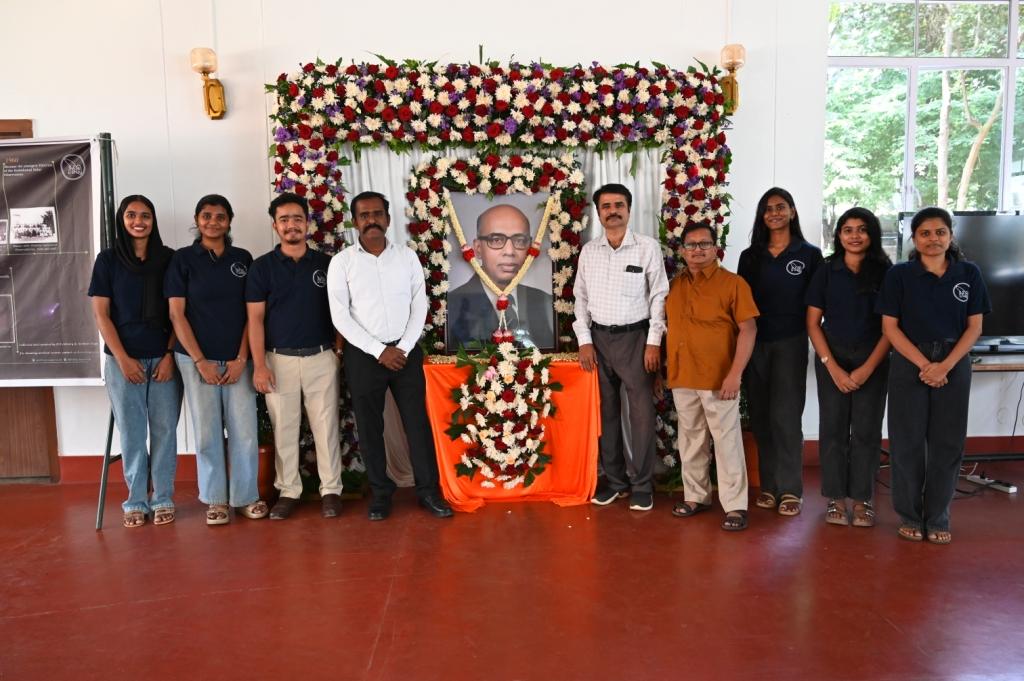
Although I have been closely involved in conceptualising, designing and developing the portal, this has very much been a collective effort. I sincerely thank the current IIA Library & Archives team, as well as the colleagues and team members who contributed during the previous stages of the project, for their valuable support, cooperation and sustained efforts throughout this journey. Archival processing and documentation require patience, consistency and considerable attention to detail, and the progress achieved so far would not have been possible without their contributions. I am genuinely grateful to everyone who supported the initiative and contributed to its development at different stages. Their collective efforts have played an important role in transforming the vision of the IIA Archives Online Finding Aids Portal into reality.
Looking Ahead
The official launch of the portal is an important milestone, but it is not the end of the journey. Phase I has established the foundation for archival discovery; Phase II will take this work forward through digitisation and digital preservation. There is also considerable potential for developing thematic digital exhibitions and other initiatives that can help communicate the history of IIA and Indian astronomy to audiences beyond the traditional research community. My hope is that the IIA Archives will increasingly become a valuable resource for researchers, historians, academicians, students and anyone interested in the history of astronomy and astrophysics in India.
A Personal Reflection
Looking back, what began as a practical requirement to improve archival discovery has evolved into a project connecting research, design, technology and professional practice. Seeing the portal officially launched by Shri Kris Gopalakrishnan was a particularly gratifying moment, representing the transition of the project from an idea and development exercise into an institutional resource. For me, this project reinforces a simple principle:
Archives are not merely repositories of the past; they are knowledge resources for the future.
The IIA Archives Online Finding Aids Portal provides a digital gateway to the Institute’s history and creates new possibilities for researchers to discover the records that document the development of astronomy and astrophysics in India.
There is still much more to do, but this is an important beginning. I am proud to have been part of this journey and grateful to everyone who supported it. I look forward to continuing the work of preserving, documenting, organising, digitising and making accessible the scientific heritage of IIA.
Preserving the past. Documenting the present. Enabling research for the future.