Coordinating the ONOS User Awareness Programme at IIA: From Planning to Participation
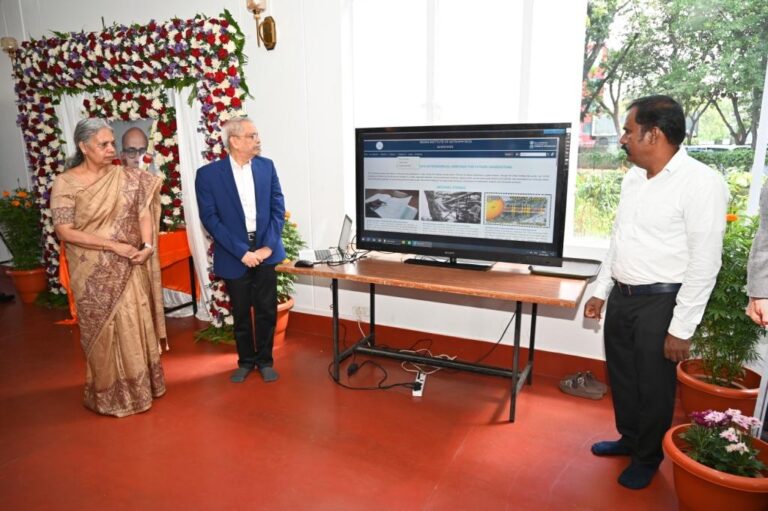
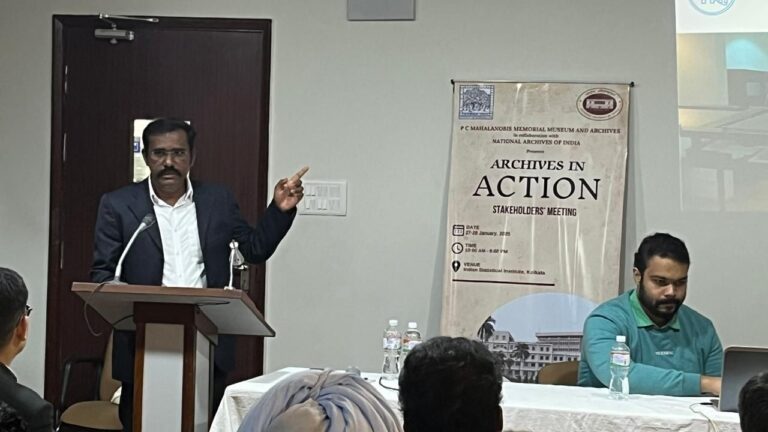
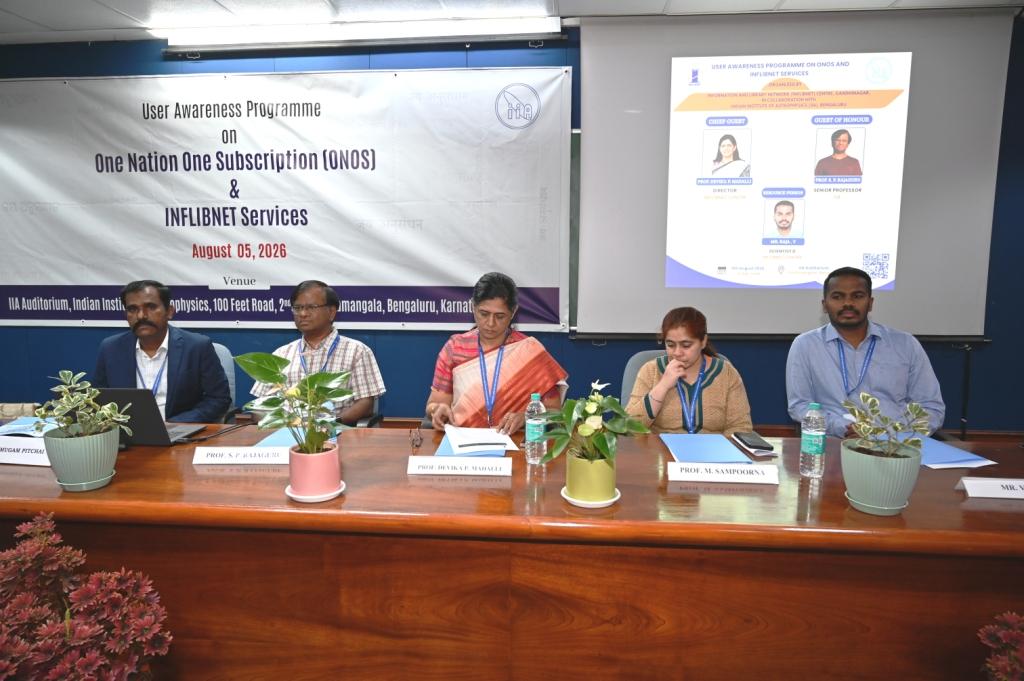
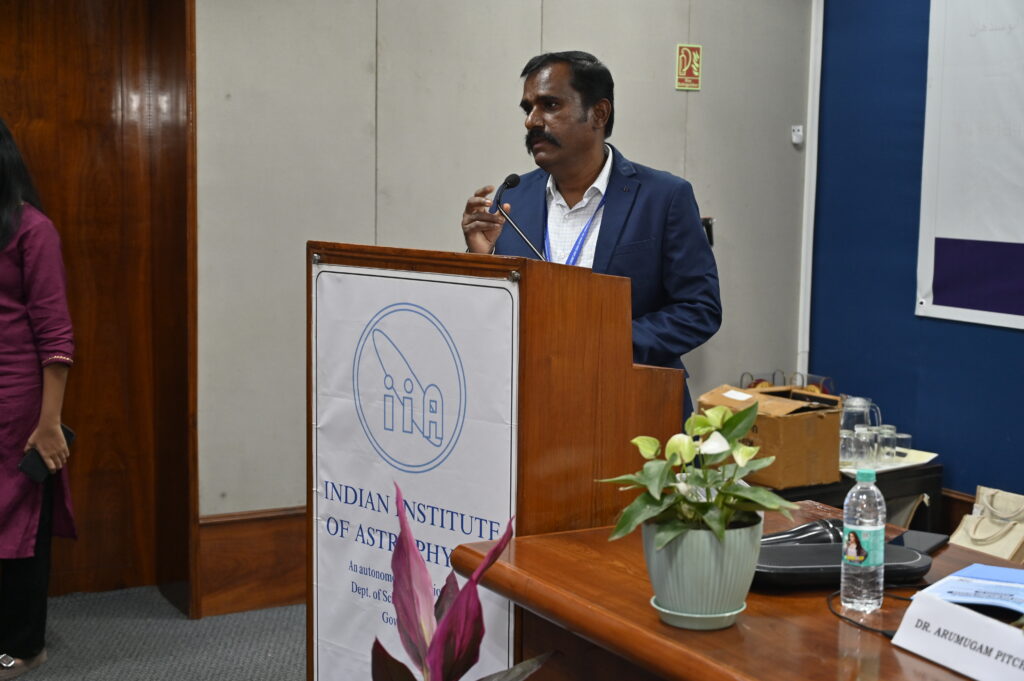
On 5 August 2026, the Indian Institute of Astrophysics (IIA), Bengaluru, organised a User Awareness Programme on One Nation One Subscription (ONOS) and INFLIBNET Services in collaboration with the INFLIBNET Centre, Gandhinagar. As the Programme Coordinator, I had the opportunity to plan and coordinate the programme with the aim of creating greater awareness about ONOS and helping researchers, faculty members, scientists, research scholars, librarians and information professionals understand and effectively utilise the growing range of digital scholarly resources and research support services available through national initiatives.
The idea behind the programme was straightforward: access to scholarly information is essential for research, but access becomes meaningful only when users are aware of the resources available to them and know how to use them effectively. With ONOS providing a national framework for access to scholarly publications, the programme was planned as an opportunity to introduce the initiative and, at the same time, familiarise participants with the wider digital research ecosystem offered by INFLIBNET.
From Planning to Participation
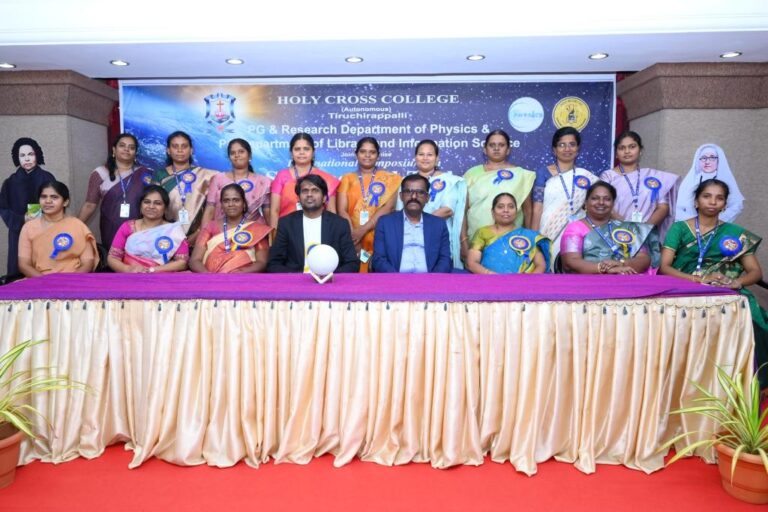
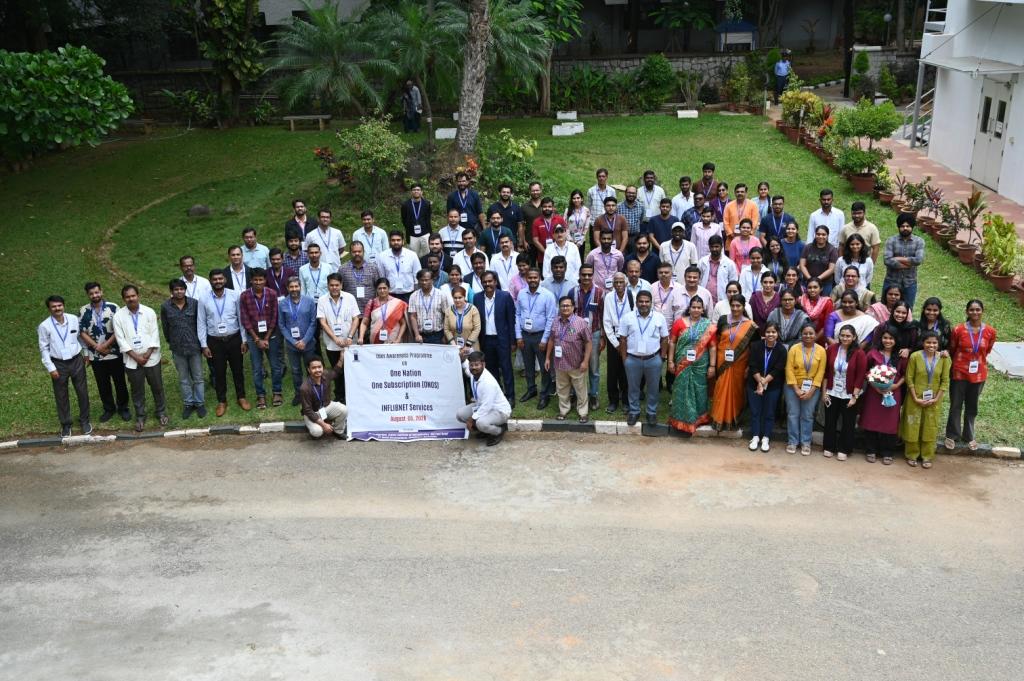
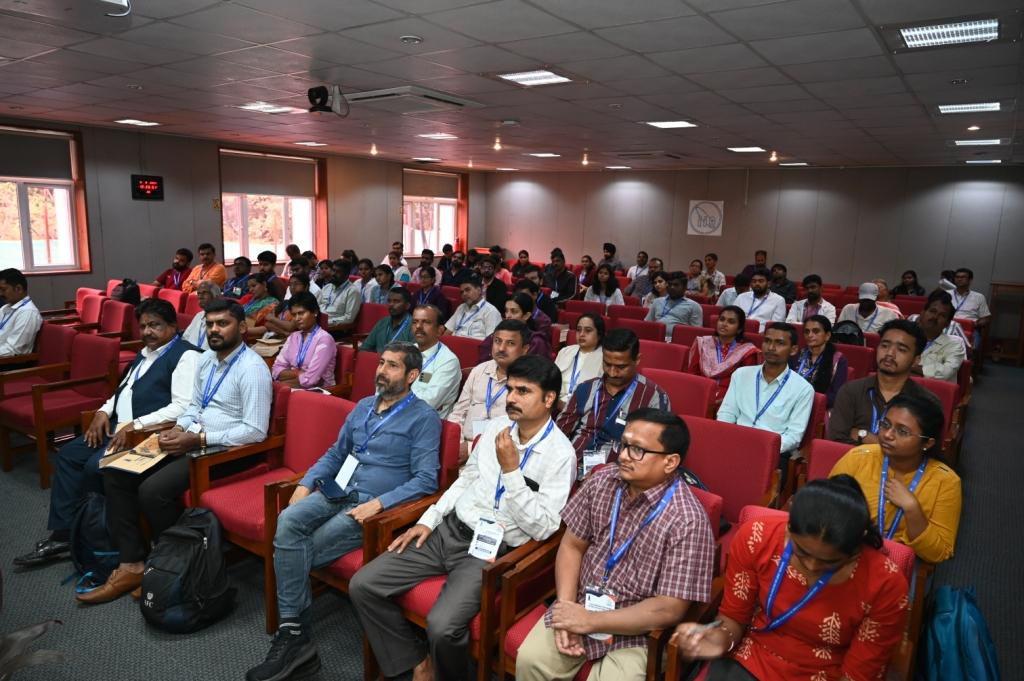
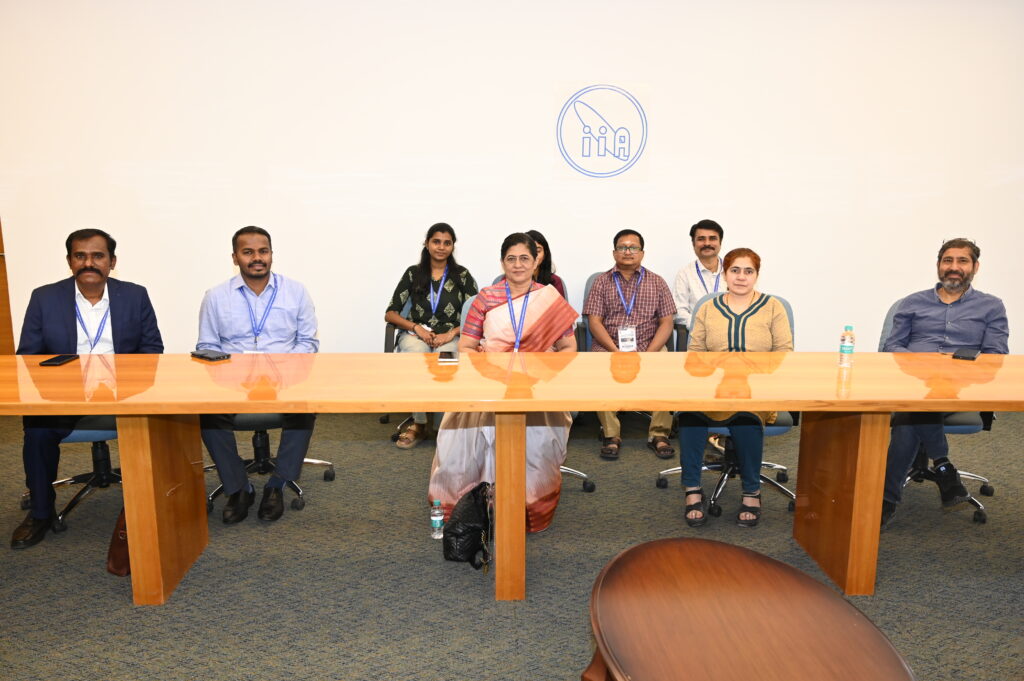
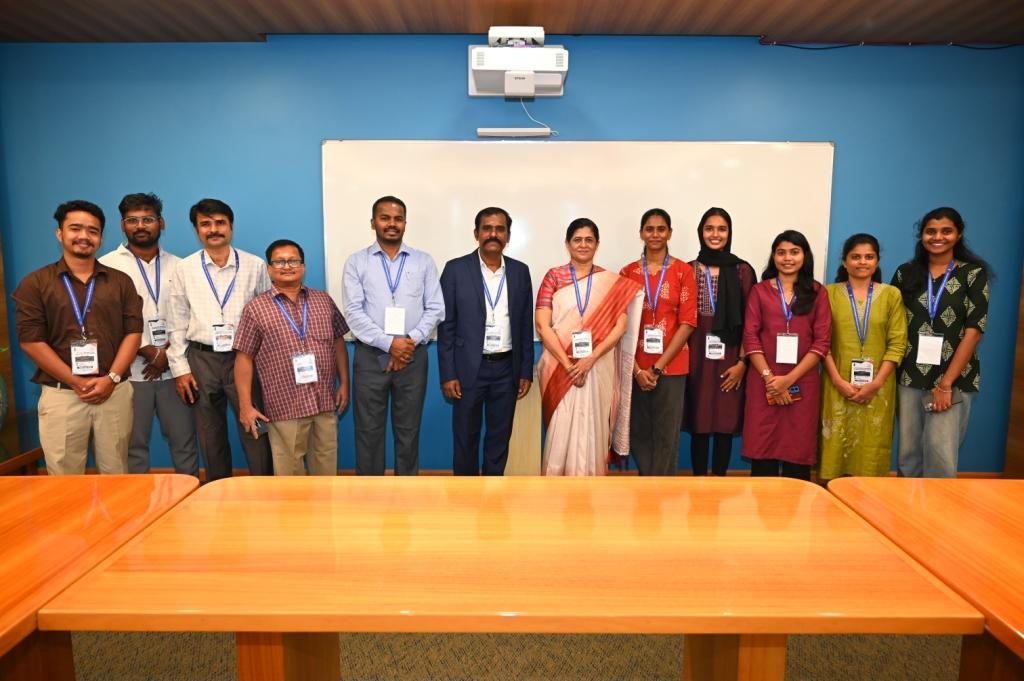
Organising a programme of this nature involves much more than arranging a venue and inviting speakers. It requires continuous coordination, communication and attention to numerous details. The planning involved coordinating with the INFLIBNET team, preparing the programme schedule, communicating with participating institutions, managing registrations, coordinating speakers and resource persons, arranging logistics and ensuring that the sessions were aligned with the expectations of the participants. The response was encouraging. Around 113 participants representing nearly 45 academic and research institutions from seven states across India participated in the programme. The diversity of participation—from scientists and faculty members to research scholars and library professionals—created an interesting environment for interaction and knowledge sharing. For me, this response was an indication of the growing interest in national initiatives that seek to strengthen access to scholarly information.
A Day of Learning and Interaction
The programme began with my Welcome Address, followed by the message from the Director, IIA, delivered by Prof. M. Sampoorna, Faculty Member, IIA and Chairperson of the Library Committee. The inaugural address was delivered by Prof. S. P. Rajaguru, Senior Professor, IIA, who emphasised the importance of collaborative initiatives in strengthening access to scholarly information and supporting the research community.
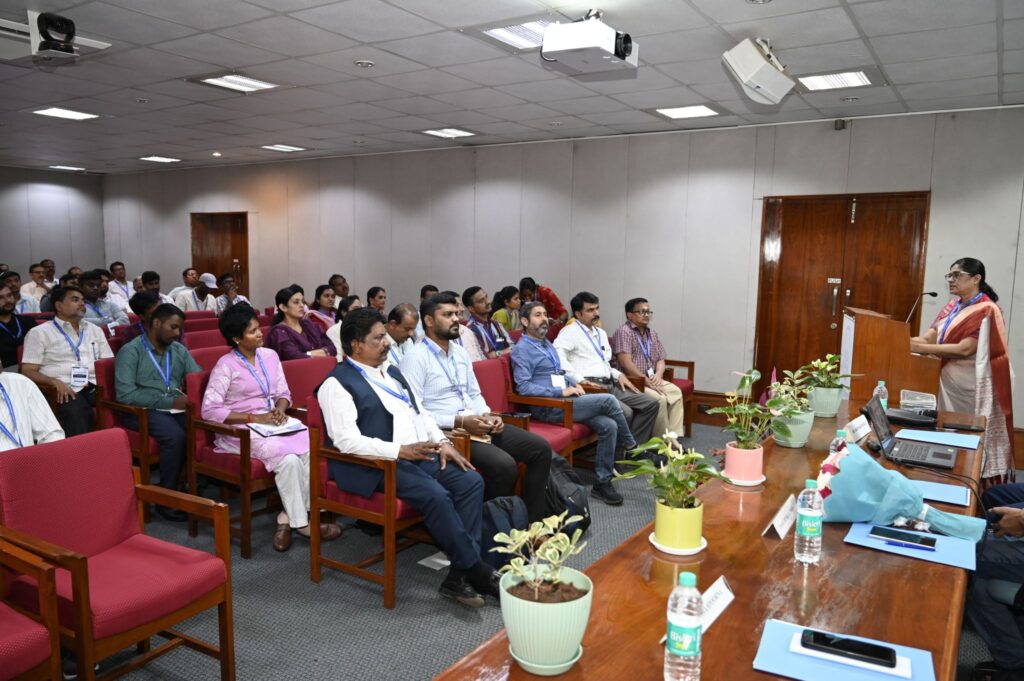
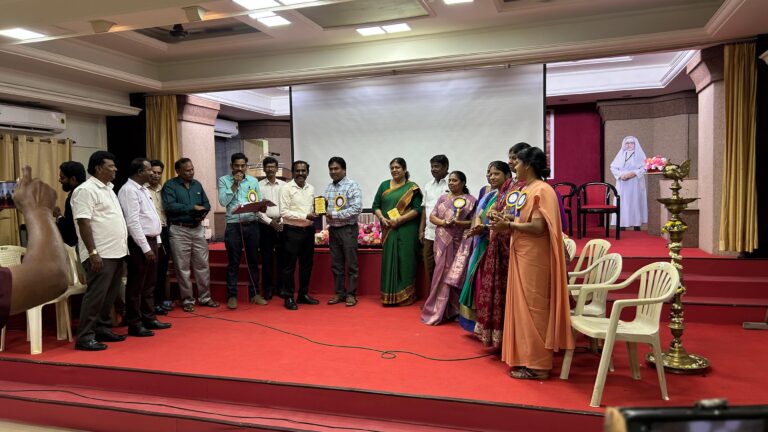
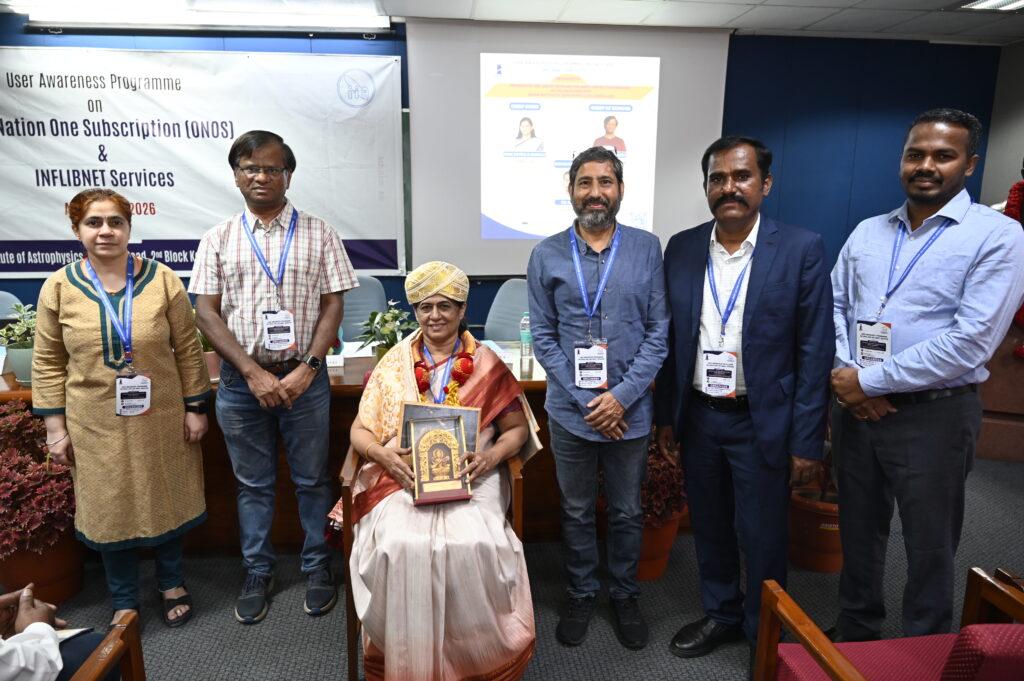
We were privileged to have Prof. Devika P. Madalli, Director, INFLIBNET Centre, provide an overview of ONOS. Her presentation highlighted the objectives, vision and potential impact of the initiative and explained how ONOS is designed to facilitate wider access to scholarly publications through a national-level subscription framework. The guests and resource persons were also felicitated by Prof. Gajendra Pandey, Senior Professor, IIA.
The technical sessions conducted by Mr. Raja V and Mr. Pallab Pradhan, Scientists-D (Computer Science), INFLIBNET Centre, added significant value to the programme. Through presentations and demonstrations, participants were introduced not only to ONOS but also to several important INFLIBNET services, including VIDWAN, IRINS, INFED, Shodhganga, ShodhChakra, ShodhShuddhi and APC support. The sessions demonstrated how these platforms can support researchers in discovering scholarly resources, managing researcher profiles, accessing theses and dissertations, maintaining research integrity and improving the visibility of their academic contributions.
Beyond Awareness: Understanding the Research Ecosystem
One of the key reflections from the programme was that awareness is only the first step. Digital scholarly services have considerable potential to support research, but their value depends on how effectively they are understood and incorporated into researchers’ workflows. The practical demonstrations helped participants move beyond simply knowing about these platforms to understanding their possible applications in their own research and academic environments.
The interaction between participants and the INFLIBNET experts was particularly encouraging. Participants raised questions, discussed practical challenges and shared their experiences. These conversations made the programme more than a series of presentations; they created an opportunity for knowledge exchange between the resource persons and the wider academic and research community.
The Role of Libraries in the Digital Research Environment
The programme also provided an opportunity for me to reflect on the changing role of academic libraries. In today’s research environment, libraries are no longer only places that provide access to books, journals and databases. They are increasingly becoming bridges between researchers and a much larger digital knowledge ecosystem.
National initiatives such as ONOS and the services developed by INFLIBNET create significant opportunities for researchers. However, effective utilisation requires awareness, guidance and continued engagement. This is where libraries and information professionals can play an important role—not only by facilitating access, but also by helping users discover, understand and make effective use of digital scholarly resources and research support platforms.
A Collective Effort
Although I had the responsibility of coordinating the programme, its successful execution was very much a collective effort. I sincerely thank the Director, IIA, the Library Committee, faculty members, colleagues and the entire IIA team for their encouragement and support throughout the planning and conduct of the programme. I express my sincere appreciation to Prof. Devika P. Madalli and the INFLIBNET team for their valuable cooperation and contribution. I particularly thank Mr. Raja V and Mr. Pallab Pradhan for their informative and engaging technical sessions and for interacting patiently with the participants. I am equally grateful to all the participating institutions, scientists, faculty members, research scholars, librarians and information professionals whose active participation made the programme meaningful and engaging.
From Access to Impact
The programme concluded with an interactive feedback session, quiz and question-and-answer session, bringing a productive day of learning and interaction to a close. Looking back, I believe the success of such a programme should not be measured only by the number of participants or the smooth conduct of the event. Its real value lies in what happens afterwards—whether the awareness created leads to greater utilisation of the resources and services introduced during the programme. For me, the programme reinforced a simple thought: access is the beginning; awareness enables access; and effective utilisation creates impact. The ONOS User Awareness Programme at IIA was therefore not merely an event, but an opportunity to connect the research community with national digital initiatives and encourage more informed and effective use of scholarly information.
As Programme Coordinator, it was a rewarding experience to take the programme from the initial planning stage to its successful completion. The programme may have concluded on 5 August, but its larger objective continues—to help researchers discover and make meaningful use of the knowledge resources available to them.