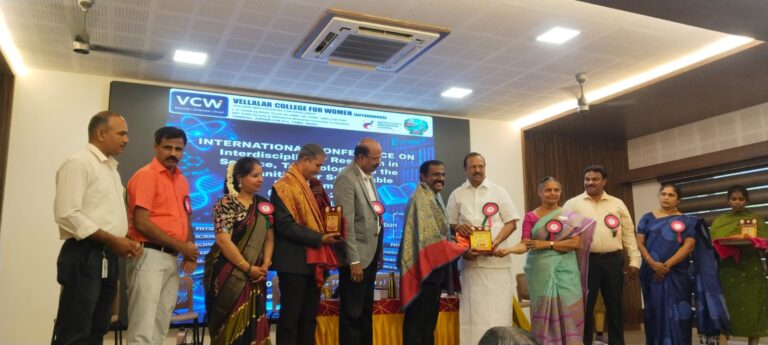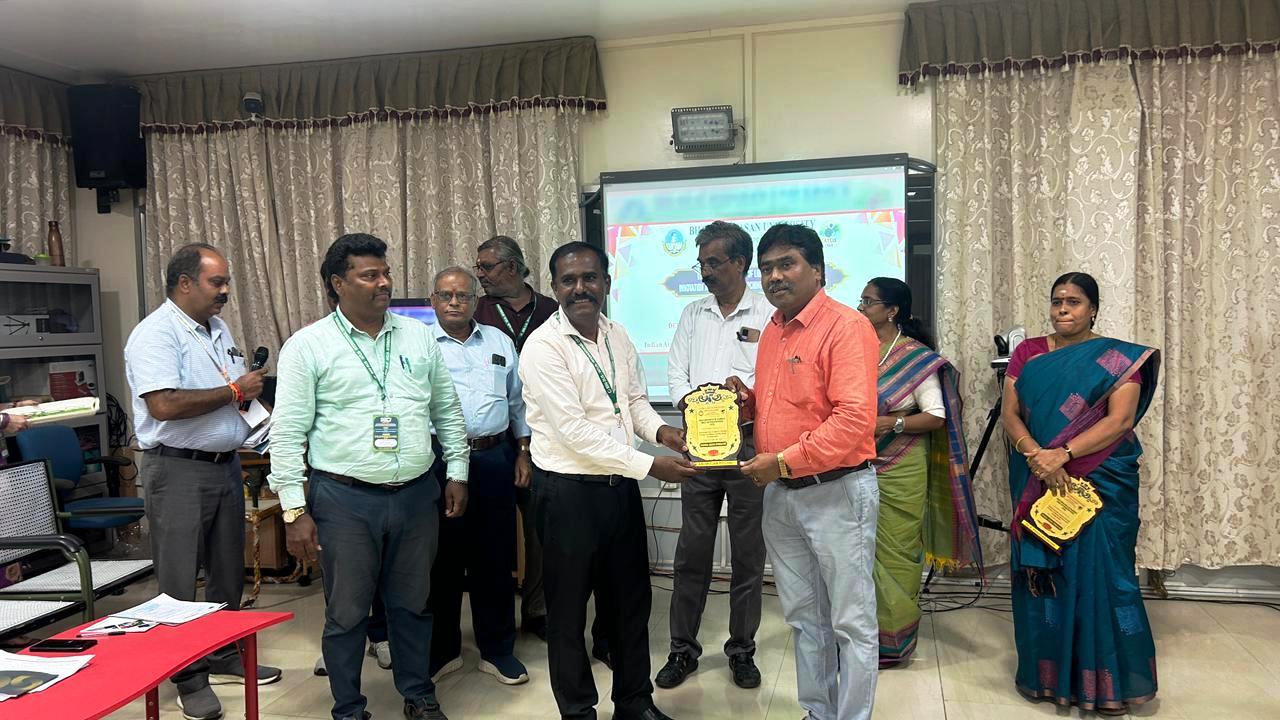
International Conference on the Transformative Role of Libraries in Education, Innovation and Research
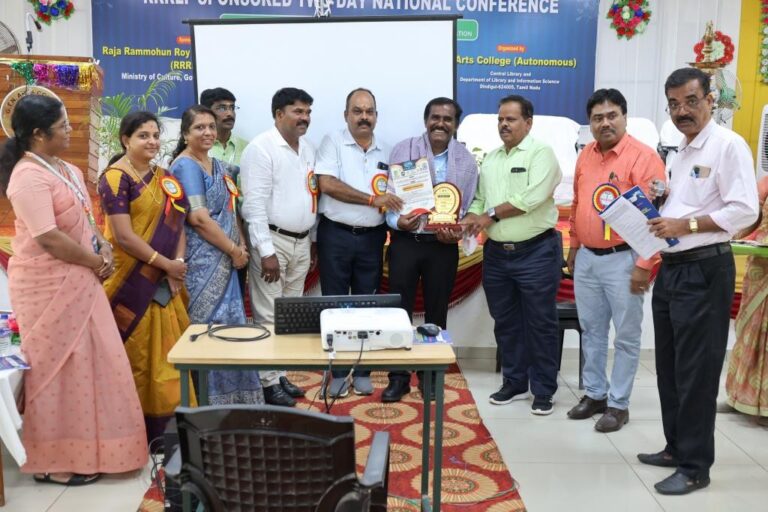
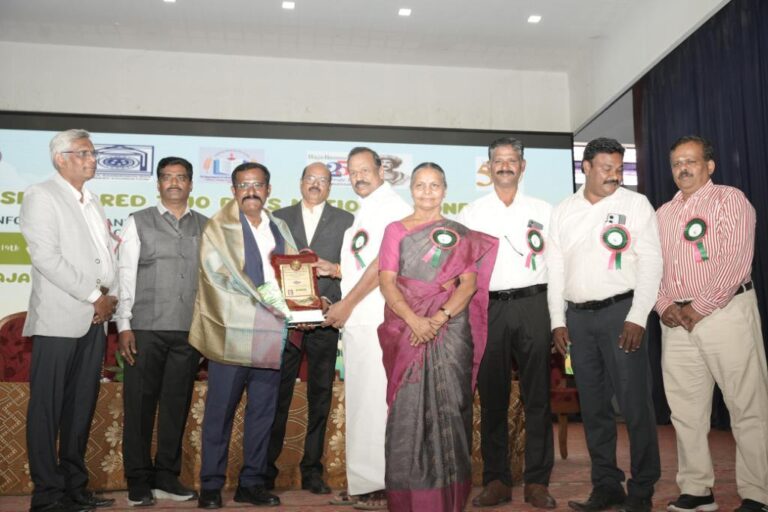
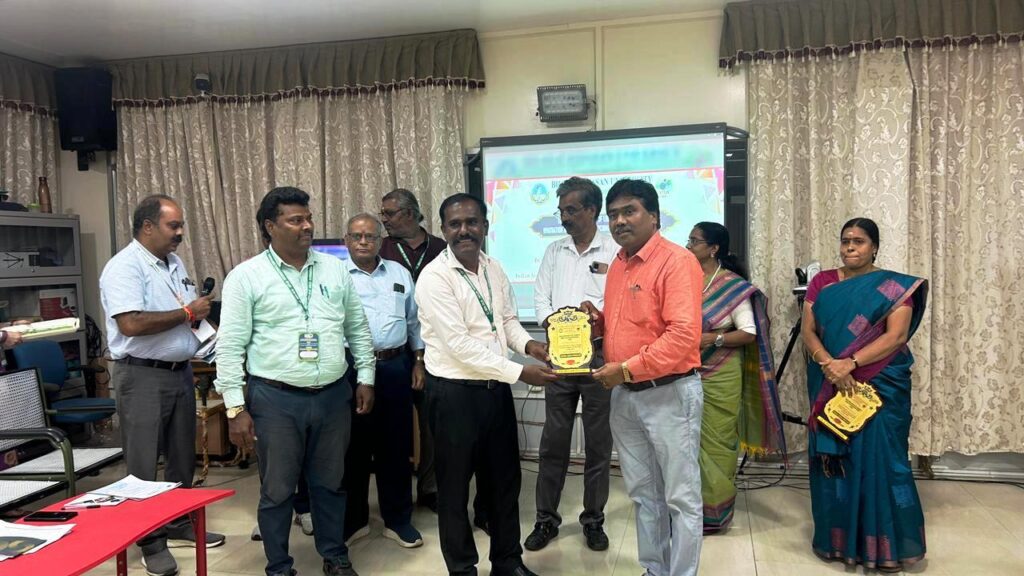
I had the opportunity to participate in the International Conference on “Transformative Role of Libraries in Education, Innovation and Research: Marching towards a Developed Nation,” held from 7–9 May 2026 at Bharathidasan University in collaboration with Indian Association of Teachers of Library and Information Science.
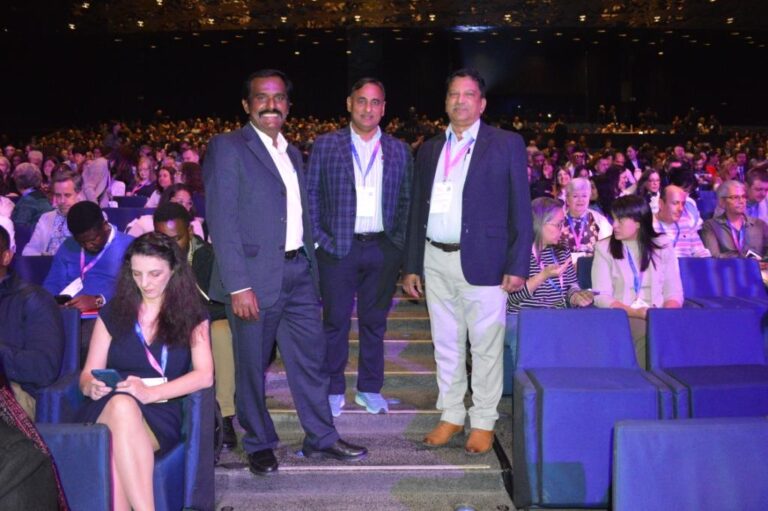
The conference brought together librarians, academicians, researchers, information professionals, and students from across India and abroad to discuss emerging trends, technologies, and innovations shaping the future of libraries and information services. The event served as an important platform for knowledge sharing, professional networking, and scholarly discussions on the evolving role of libraries in education, research, and national development.
One of the highlights of the conference was the broad range of themes addressing current challenges and opportunities in Library and Information Science (LIS). The sessions focused on faculty development, professional reskilling, interdisciplinary collaboration, curriculum innovation, internationalisation of LIS education, AI-driven library services, digital libraries, sustainability, research impact, and global visibility of institutions.
The conference also emphasized the role of libraries in achieving social and developmental goals, including support for the United Nations Sustainable Development Goals (SDGs), promotion of social equality, and preservation of indigenous and traditional knowledge systems such as Dravidian and Himalayan knowledge traditions.
A special focus was given to emerging technologies and Industry 5.0, highlighting how libraries are adapting to rapid technological advancements through digital transformation, information governance, and innovative service models. Discussions on research productivity, scientometric analysis, accreditation, and global collaboration reflected the growing importance of evidence-based and internationally connected library practices.
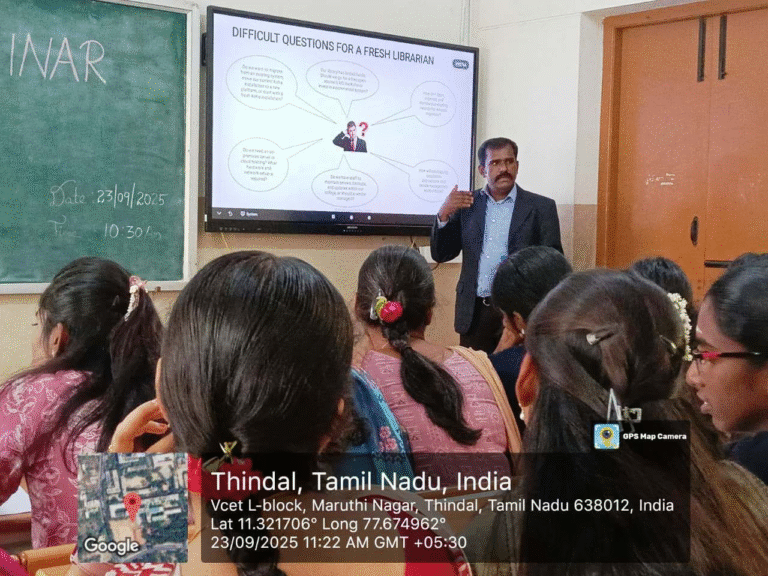
I also had the privilege of serving as Chair for a Parallel Online Technical Session, where I coordinated paper presentations and facilitated scholarly discussions among presenters and participants. The session showcased diverse research contributions related to digital repositories, library technologies, information access, research support systems, and innovative user services.
The conference successfully created a vibrant academic environment that encouraged collaboration, idea exchange, and professional growth. It reaffirmed the important role libraries continue to play in supporting education, innovation, research, and inclusive knowledge access in the digital era.
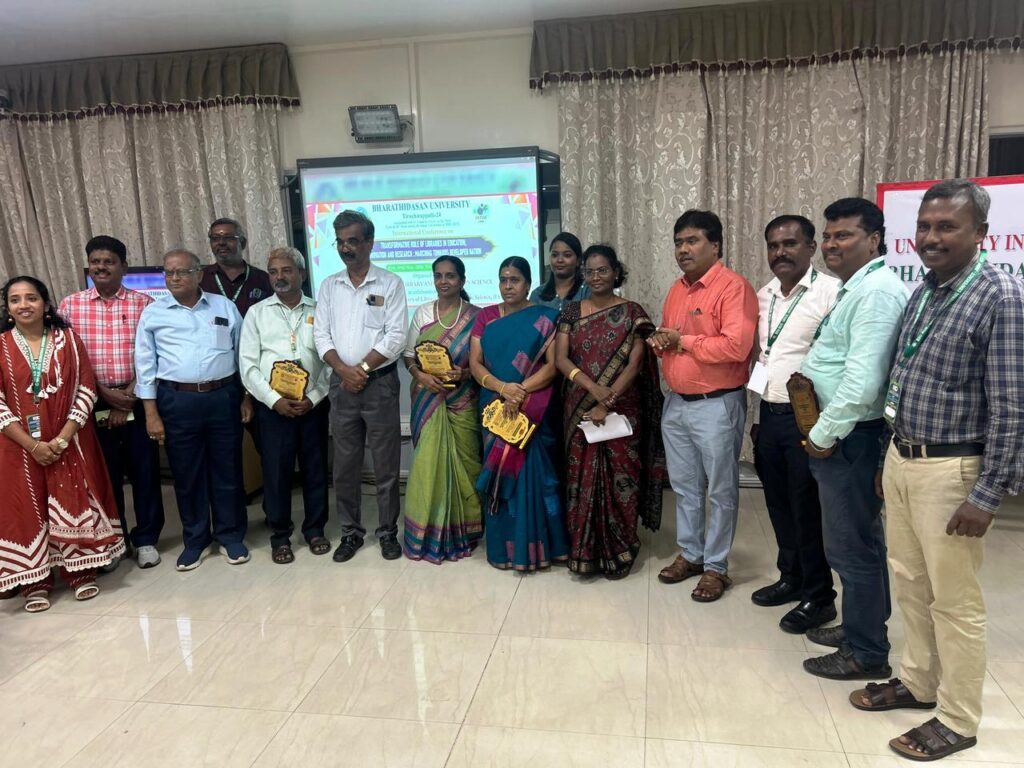
I sincerely appreciate the efforts of Dr. S. Srinivasaragavan, the organizers, faculty members, researchers, and participants who contributed to the success of this international event. Such conferences continue to strengthen the LIS community and inspire new directions for research and professional practice.