Celebrating National Science Day 2025: Preserving the Legacy of Indian Astronomy at IIA
It was one of those experiences that leaves a lasting impression—not only for what we share, but for what we learn in return. This year’s National Science Day (NSD) 2025 was one such memorable occasion, beautifully blending science, heritage, and human curiosity. Every year, on February 28, India celebrates this day in honor of Sir C. V. Raman’s groundbreaking discovery of the Raman Effect in 1928—a discovery that transformed modern physics and earned him the Nobel Prize in 1930. Across the country, institutions open their doors, inviting the public to experience the wonder of science through exhibitions, talks, and interactive activities.
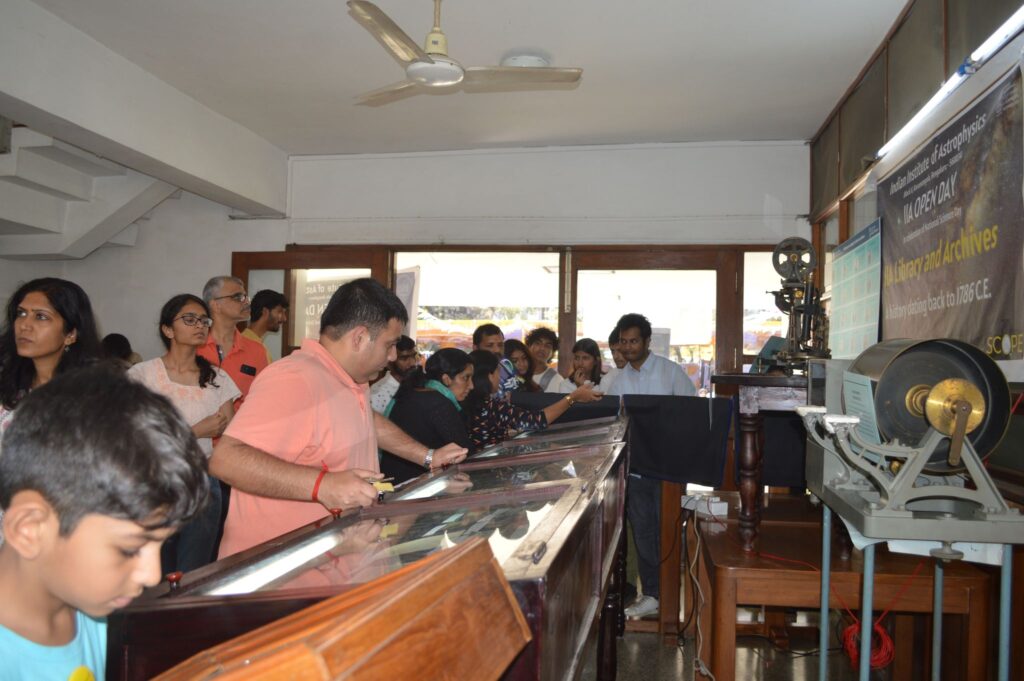
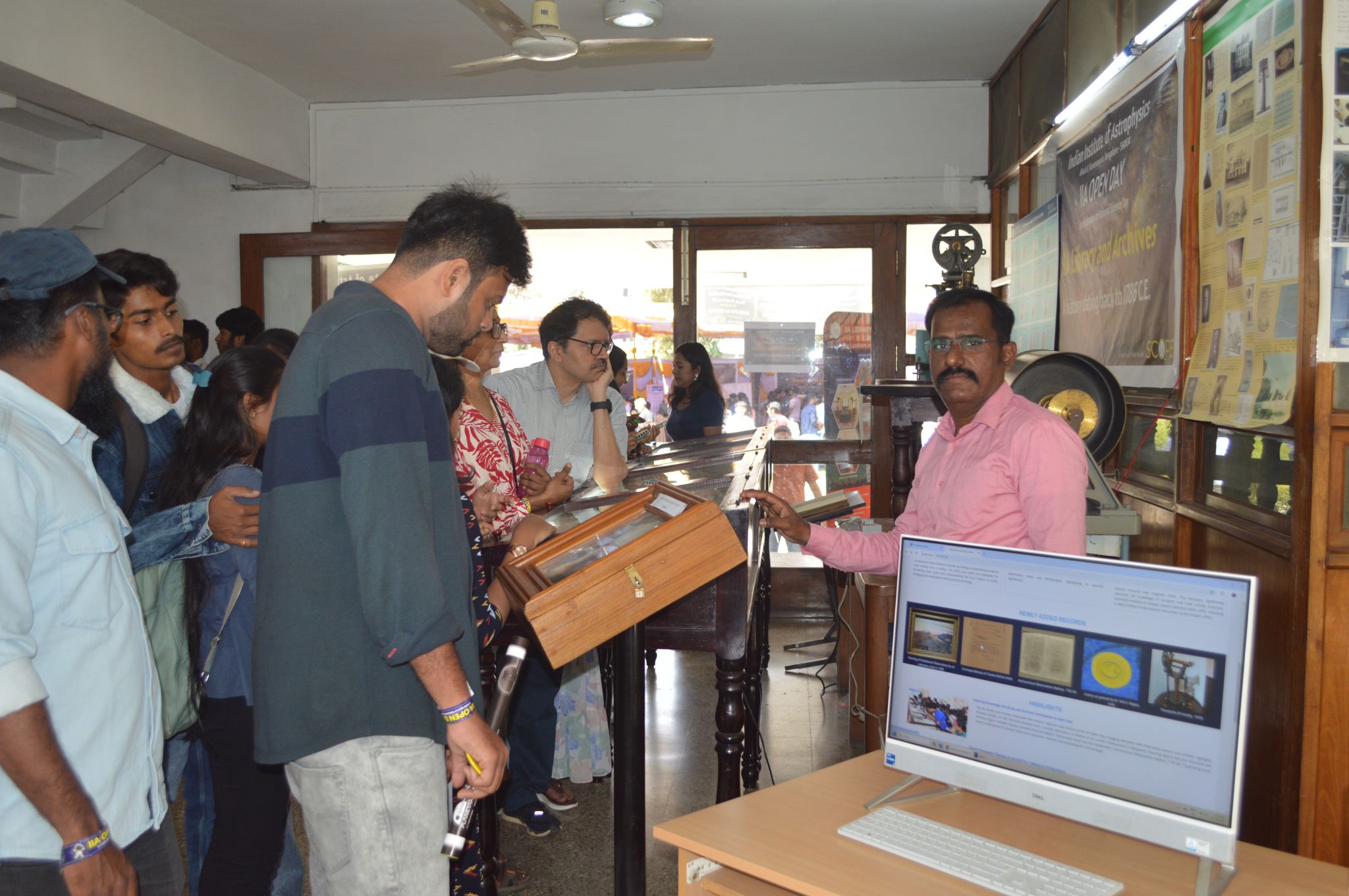
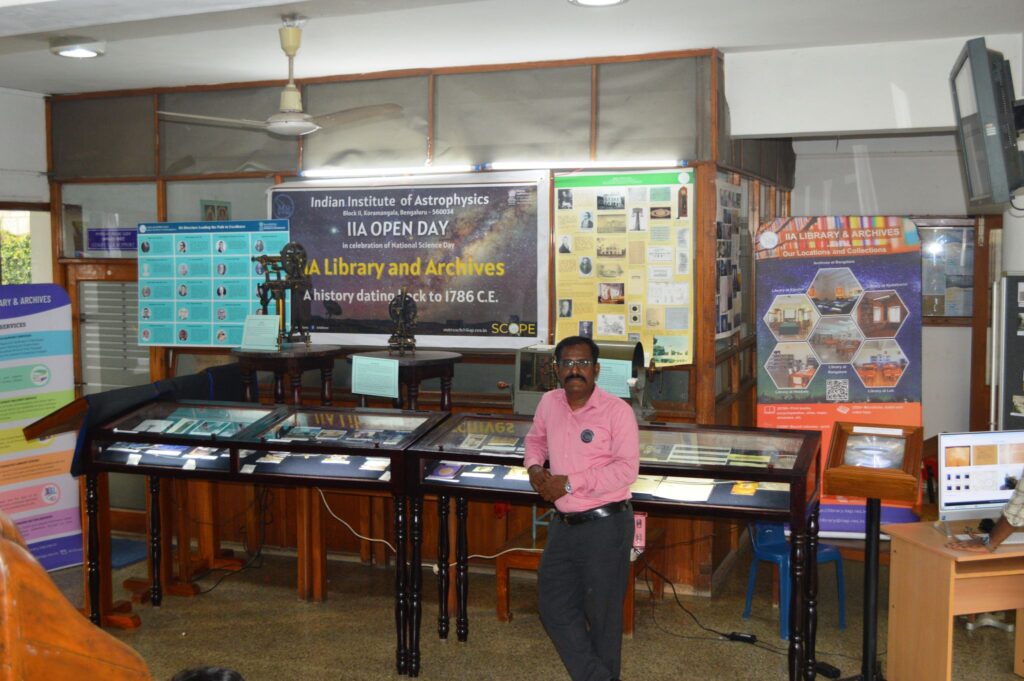
At the Indian Institute of Astrophysics, Bangalore, National Science Day holds a special meaning. It reflects the institute’s proud legacy as one of India’s oldest and most pioneering centers for astronomy and astrophysics. As part of IIA’s Open Day 2025, held on March 2, I had the privilege of contributing to a special exhibition curated by the IIA Archives. The exhibition aimed to tell the story of Indian astronomy through rare manuscripts, historical photographs, archival records, and scientific instruments that have stood the test of time.
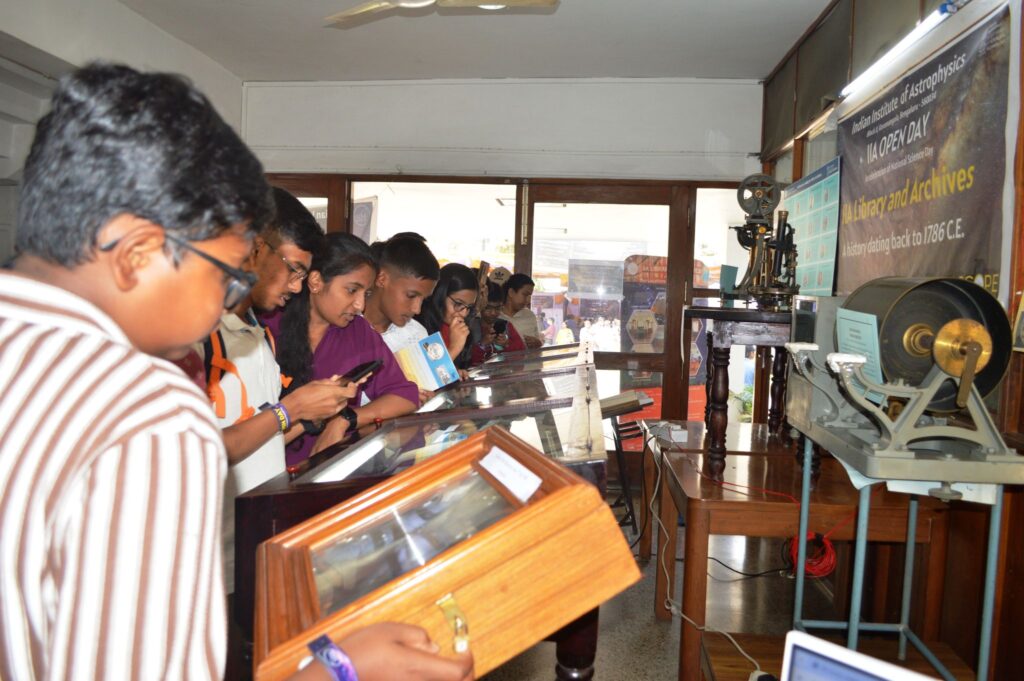
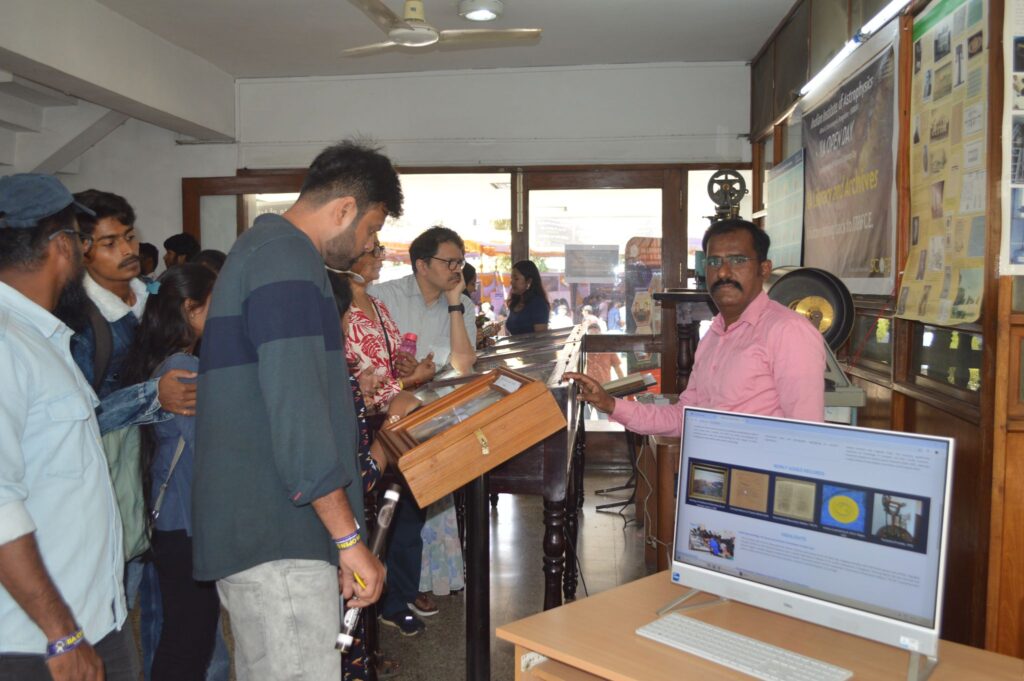
The atmosphere on campus was alive with energy and curiosity. Visitors of all ages—students, researchers, science enthusiasts, and the general public—filled the corridors, their excitement reflected in every question and every conversation. Walking through the exhibition felt like stepping back in time—a journey through centuries of observation, innovation, and discovery that shaped India’s astronomical heritage.
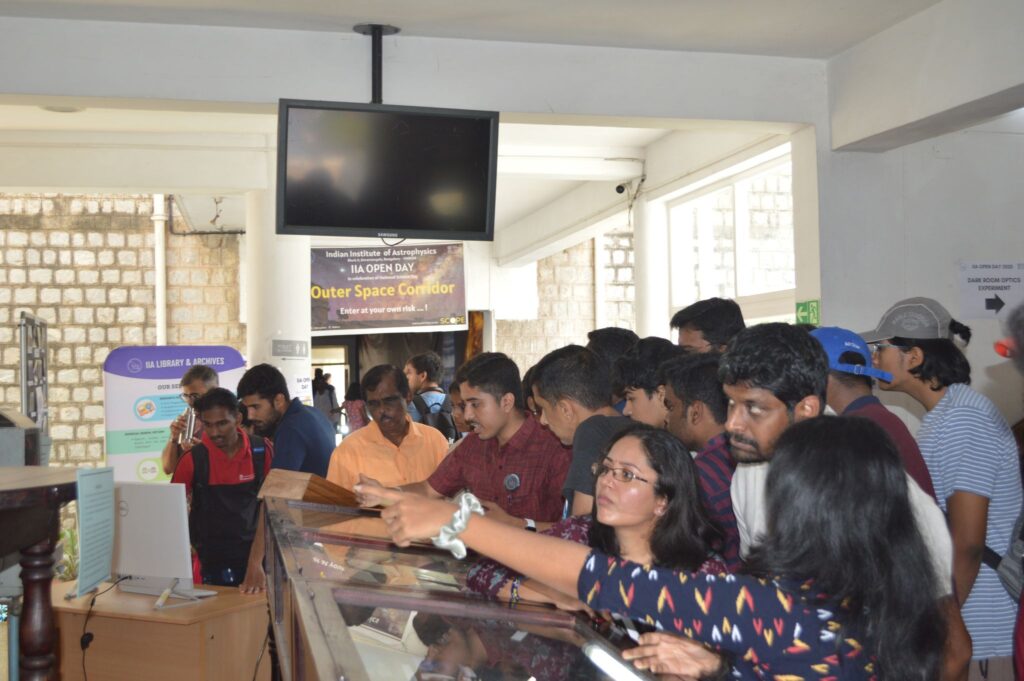
Inside the gallery, each display had a story to tell. Rare manuscripts documented the evolution of astronomical research, historical photographs captured defining moments, and original observational records reflected the dedication of early astronomers. Heritage instruments stood proudly, silent yet powerful reminders of how human curiosity once reached for the stars with handcrafted precision. Every artifact carried within it the spirit of exploration and the perseverance of those who laid the foundation of Indian astronomy.
What made the exhibition particularly special was its narrative structure. One section honored the visionary Directors of IIA, whose leadership and foresight paved the way for excellence. Another traced the roots of Indian astronomy to the Madras Observatory, the country’s first formal astronomical institution. The theme “125 Years of Kodaikanal Solar Observatory” celebrated more than a century of solar research, while the story of the Evershed Effect (1909) paid tribute to one of India’s most remarkable discoveries in solar physics. Visitors were also drawn to the section on Eminent Personalities Who Visited IIA, which highlighted inspiring moments of collaboration and exchange. The display on Instruments and Telescopes at IIA fascinated visitors, revealing how precision, patience, and innovation once came together to unlock the mysteries of the Sun and stars.
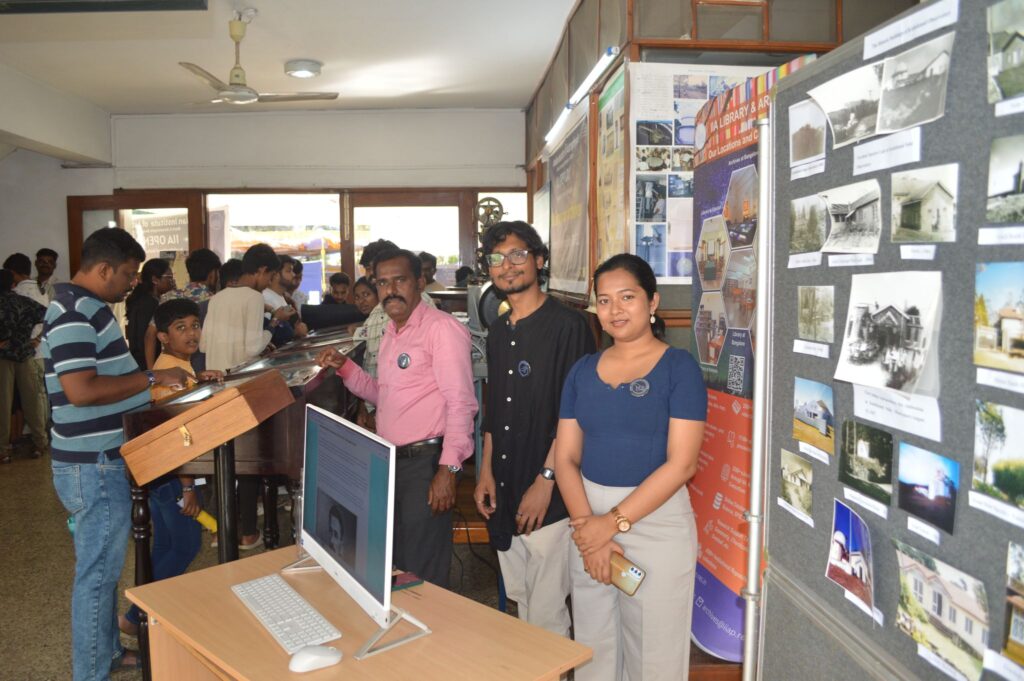
Throughout the day, it was heartening to see the enthusiasm of visitors. Students lingered at the displays, asking thoughtful questions about the origins of Indian astronomy and the importance of preserving archival material. Many were surprised to learn how early observational data continues to inform modern research even today. For me, these interactions were deeply meaningful. They reaffirmed my belief that archival preservation is not just about safeguarding old records—it is about keeping knowledge alive. Archives are living bridges that connect generations of scientists through documented curiosity, persistence, and imagination.
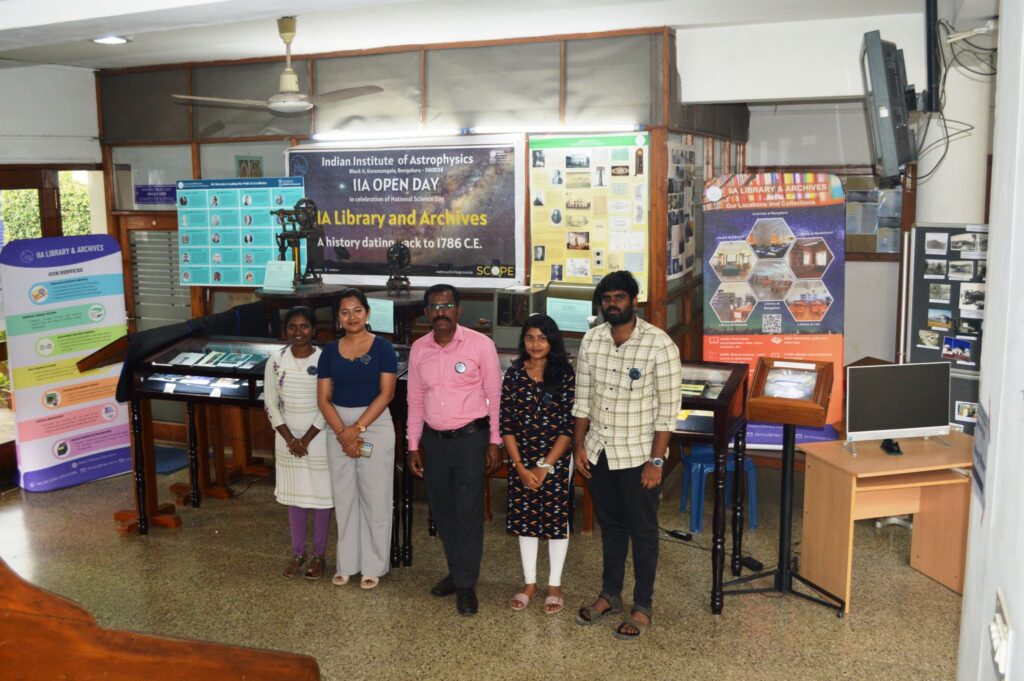
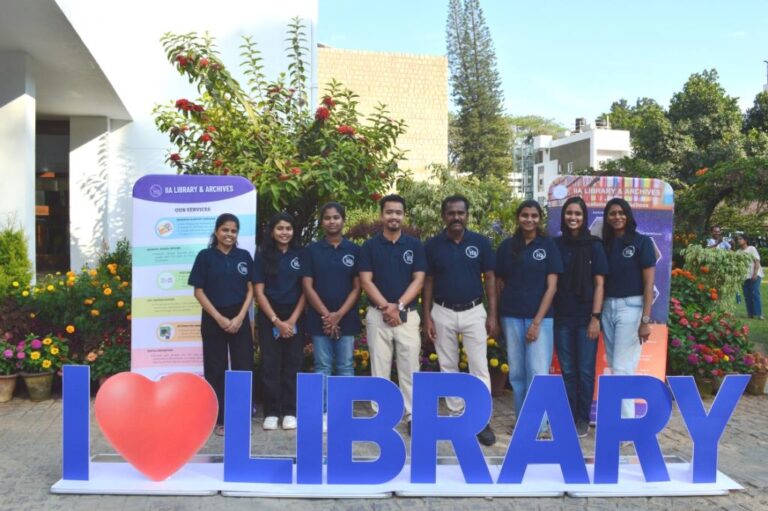
The success of the exhibition was truly a collective effort. I am deeply grateful to Dr. P. Prabahar and B. S. Mohan for their constant support and guidance, and to our dedicated Library Trainees—Ms. Rajeswari S, Ms. Aishee Roy, Ms. Catherine E, Mr. Jayachristrayar S, and Mr. Soumyakanta Barik—whose hard work, attention to detail, and enthusiasm brought the exhibition to life. From curating and organizing materials to engaging with visitors, their teamwork ensured that every element came together seamlessly.
As the day drew to a close and the last visitors paused to take one final look, I felt an overwhelming sense of fulfillment. The exhibition had done more than just showcase history—it had sparked curiosity, inspired conversations, and reminded everyone that science is as much about remembering as it is about discovering. Each manuscript, photograph, and instrument echoed a message that still holds true: that knowledge, once preserved, continues to illuminate the future.
The IIA Archives exhibition for National Science Day 2025 was more than a display of India’s scientific heritage—it was a celebration of the enduring spirit of inquiry that defines both science and humanity. Being part of this event strengthened my belief that preserving the past is not about looking backward—it is about nurturing the curiosity that leads to tomorrow’s discoveries.