Empowering Libraries Through Open-Source Innovation: My Experience at the Koha ILMS National Seminar
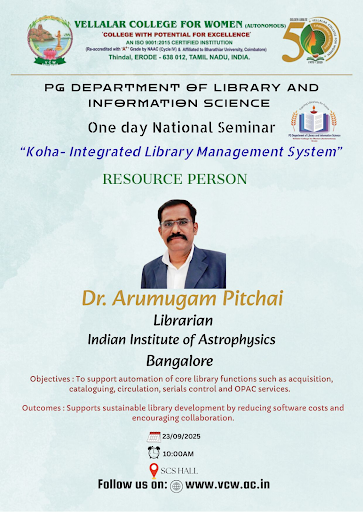
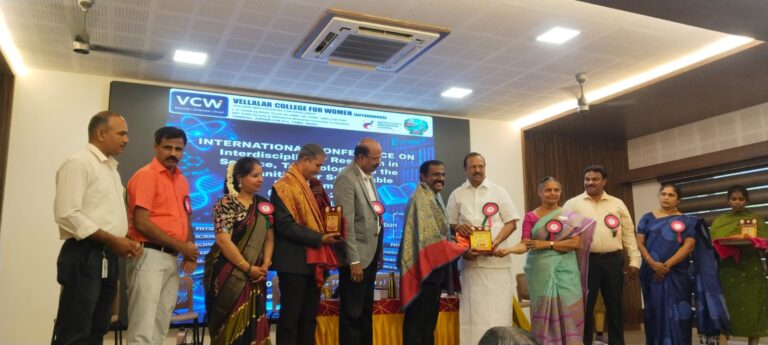
I had the distinct honour of serving as the Resource Person for the One-Day National Seminar on “Koha – Integrated Library Management System (ILMS)”, held on 23rd September 2025, and hosted by the. PG Department of Library and Information Science, Vellalar College for Women (Autonomous), Erode.
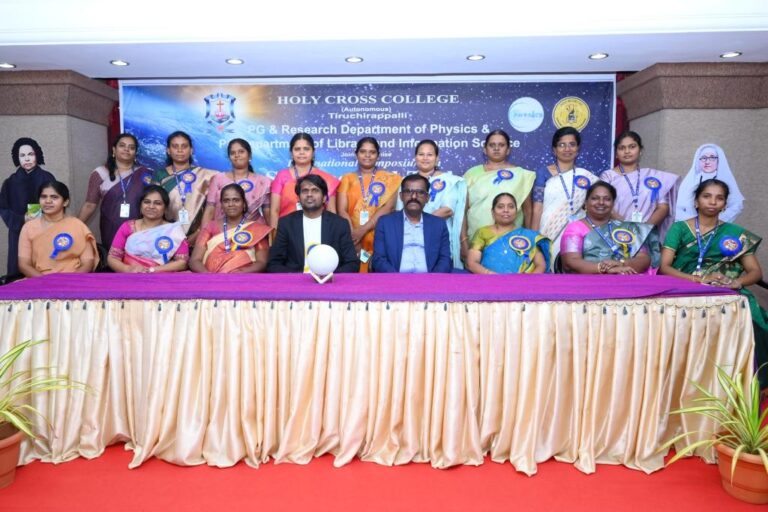
From the moment I entered the institution, I was met with an atmosphere of genuine enthusiasm and scholarly energy. The faculty and students of the Department of Library and Information Science demonstrated exceptional professionalism and passion for learning. Their keen interest in exploring how digital technologies like Koha can reshape library practices created an inspiring environment for meaningful academic exchange. The seminar truly served as a platform for collaboration, exploration, and shared learning, blending the traditional values of librarianship with the evolving promise of open-source innovation.
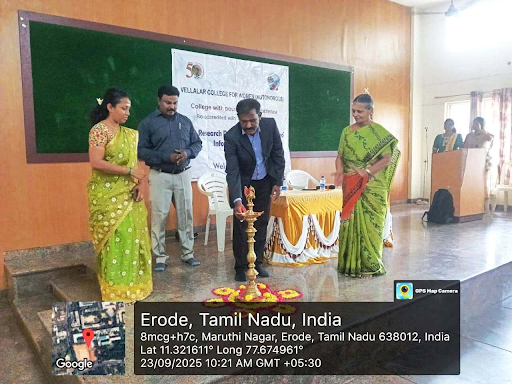
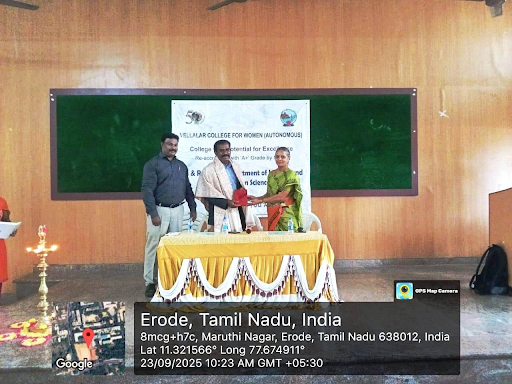
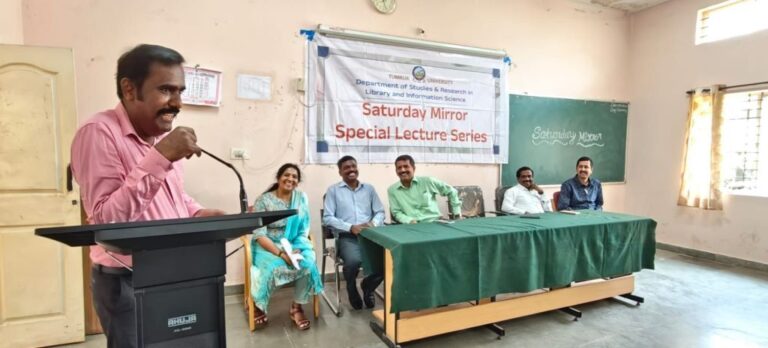
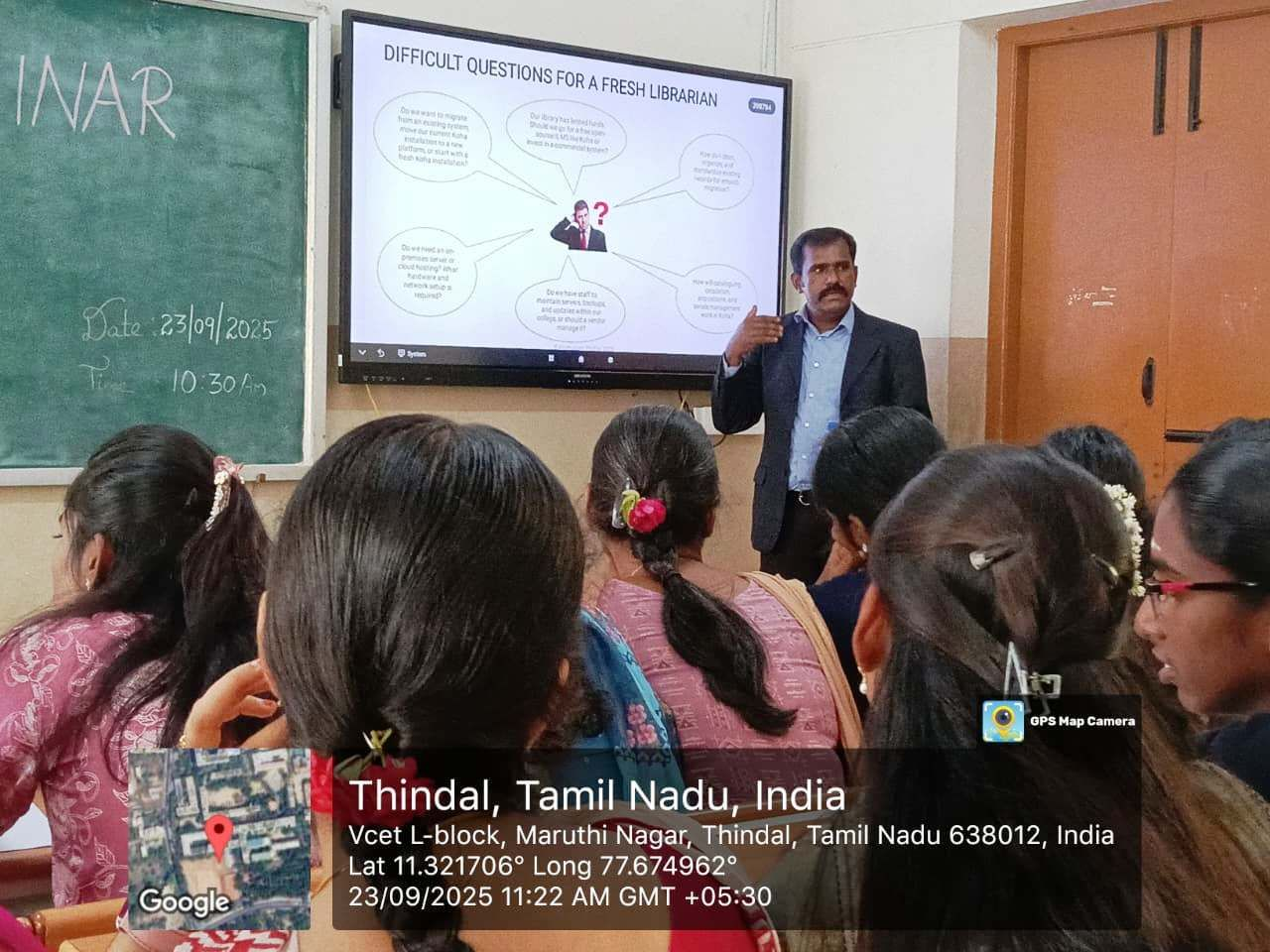
As the session commenced, I was greeted by a vibrant audience of faculty, research scholars, and postgraduate students whose enthusiasm to explore the transformation of libraries in the digital era set a truly inspiring tone for the day. My presentation focused on the transformative role of Koha ILMS in modern library management, demonstrating how this open-source platform has become a global benchmark for integrated library systems. Through detailed explanations and real-world case examples, I shared insights about how Koha efficiently integrates key library functions such as acquisition, cataloguing, circulation, serials control, and OPAC (Online Public Access Catalogue). The discussion also highlighted the system’s flexibility, interoperability, and community-driven development model, which make it a sustainable and future-ready choice for libraries of all scales.
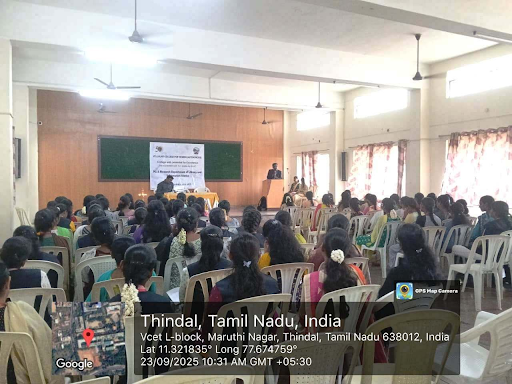
The interaction that followed was one of the most enriching parts of the session. Participants raised thoughtful and relevant questions about the scalability of Koha, data migration challenges, customization options, and the robustness of open-source community support. Their active participation reaffirmed the growing recognition that open-source software is not merely a cost-effective alternative, but a collaborative and evolving framework that aligns perfectly with the foundational principles of information sharing and inclusivity in librarianship.
A recurring theme throughout the seminar was the idea of advancing sustainable library development through open technologies. In an age when many institutions operate under budgetary and infrastructural constraints, Koha represents a viable pathway toward achieving full-scale automation without dependence on proprietary systems. I emphasized how its global community of users and developers continuously enhances its functionality, ensuring that libraries remain technologically relevant, efficient, and responsive to user needs.
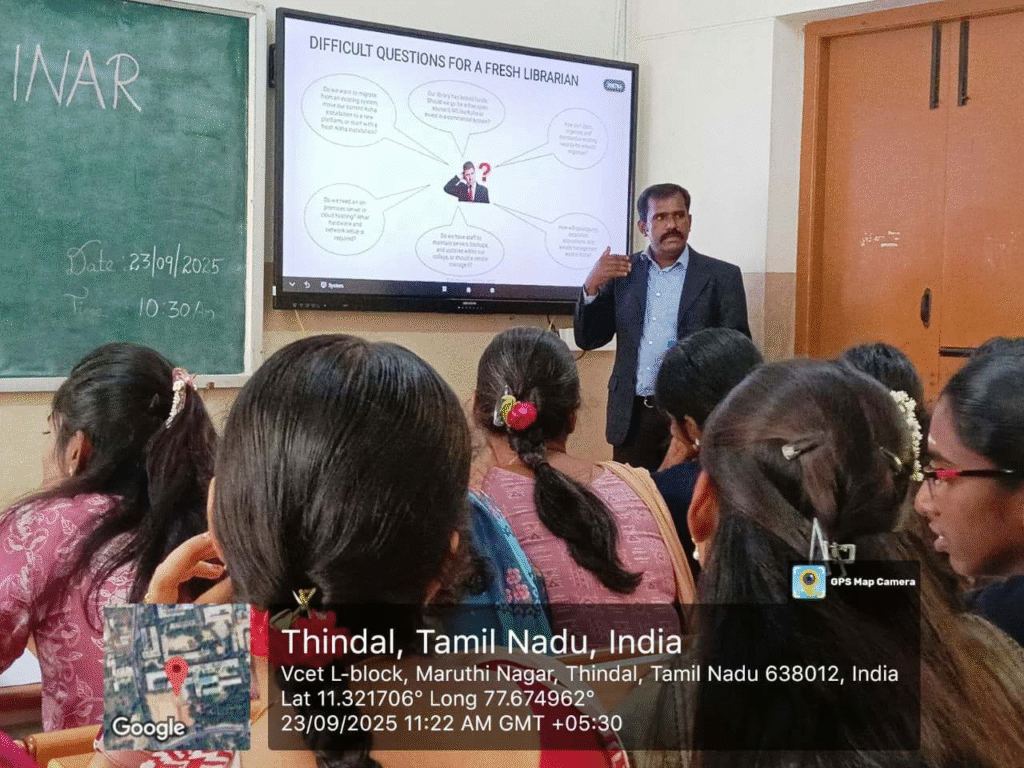
One of the most rewarding aspects of the event was engaging with the first- and second-year MLISc students of Vellalar College. Their intellectual curiosity, enthusiasm, and forward-thinking perspectives were truly commendable. Many students expressed a genuine interest in exploring the intersections of library science, data management, and emerging technologies. Our conversations extended beyond software features to include broader reflections on the evolving identity of the librarian, not merely as a custodian of resources, but as a strategic knowledge facilitator and digital innovator.
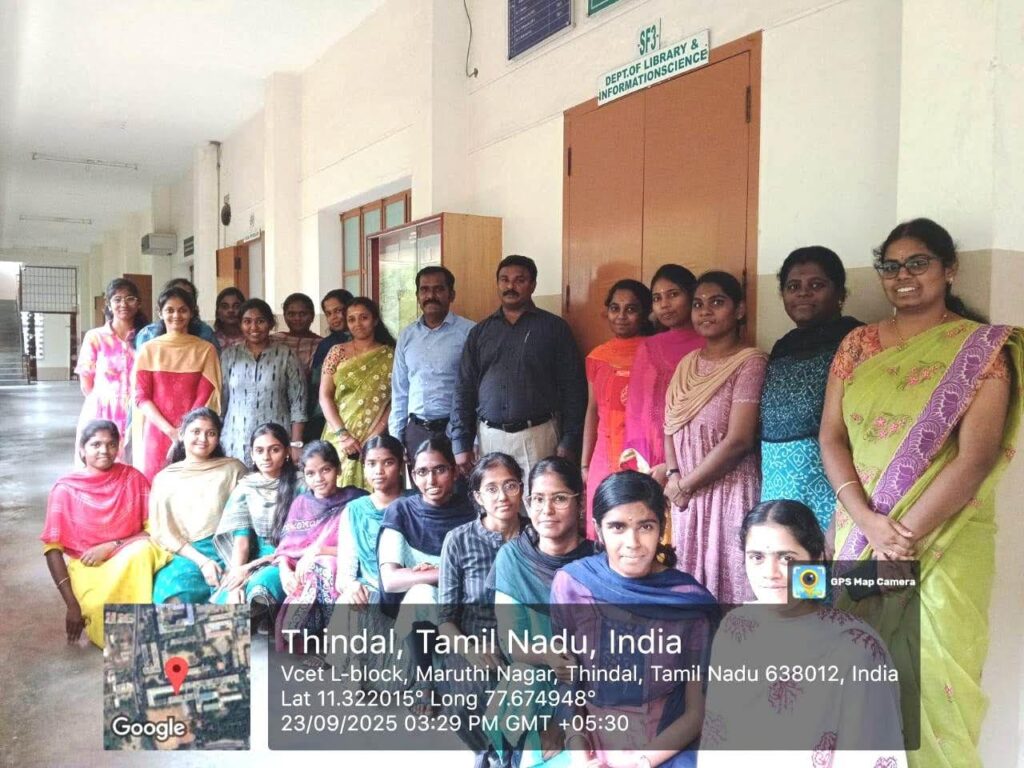
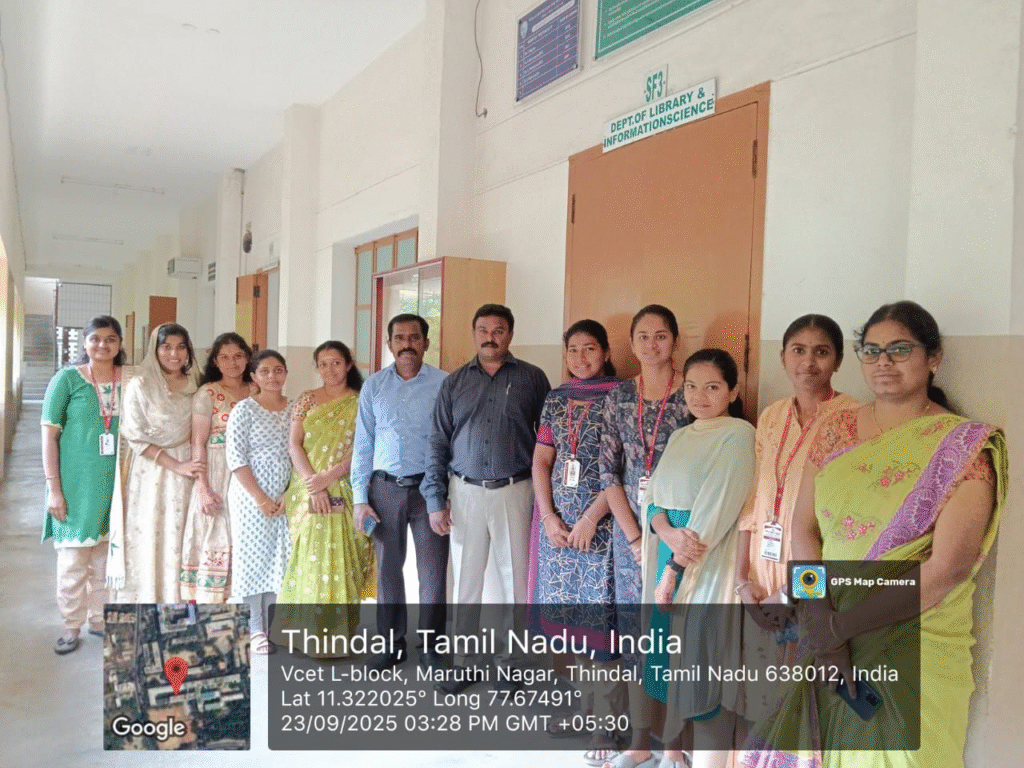
In this context, tools like Koha are not just management systems — they are catalysts for innovation, empowering libraries to expand their reach, enhance user engagement, and uphold the democratic spirit of knowledge dissemination.
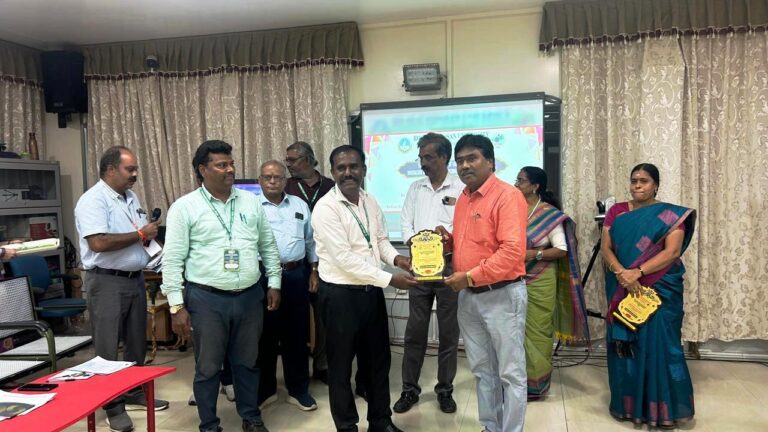
I am deeply grateful to Dr. R. Parvathi, Principal of Vellalar College for Women, for her inspiring leadership and encouragement in promoting academic excellence. My sincere appreciation also goes to Dr. B. Mahadevan, Assistant Professor and Head of the Department of Library and Information Science, for his exceptional coordination and vision in organizing this impactful seminar. The meticulous arrangements, cordial hospitality, and seamless execution by the organizing team truly reflected the department’s professionalism and dedication.
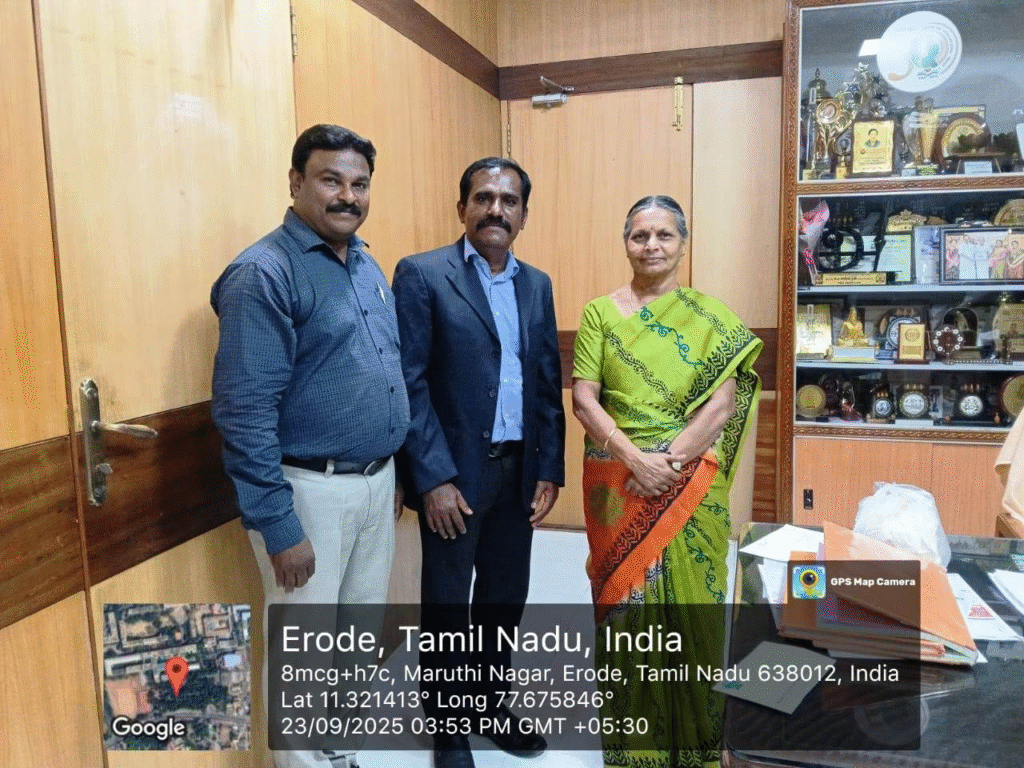
As the seminar concluded, I carried with me a renewed sense of optimism and purpose. Events like this reaffirm my conviction that the future of librarianship rests on innovation, collaboration, and continuous learning. The willingness of academic institutions to adopt open-source technologies like Koha demonstrates a collective movement toward a more inclusive and sustainable information future.
Reflecting on the day’s experience, I am reminded that libraries are more than repositories of books they are living institutions of knowledge and empowerment. Through systems like Koha, we are not only modernising library operations but also nurturing a culture of openness, creativity, and lifelong learning. This seminar was a reaffirmation of the belief that technology, when used purposefully, can preserve the essence of librarianship while propelling it confidently into the digital age.